On Thu, May 9, 2024 at 9:07 AM Tom Jones <[email protected]>
wrote:
> Has anyone considered what information the RP verifier should supply for
> FedCM to function well on the behalf of both the verifier and the user?
>

Can you expand on this a bit more? Selective disclosure came to mind to us
(e.g. an RP selectively asking for specific attributes), but maybe you have
something else in mind?


>
> thx ..Tom (mobile)
>
> On Thu, May 9, 2024, 8:06 AM Dick Hardt <[email protected]> wrote:
>
>> The NASCAR problem is rooted in the RP does not know which provider(s)
>> the user has, so sites showed all the choices. FedCM only shows the
>> provider(s) the user has.
>>
>> On Thu, May 9, 2024 at 5:33 AM Warren Parad <wparad=
>> [email protected]> wrote:
>>
>>> I think I'm still missing something, and I'm sure it was discussed
>>> somewhere and I just didn't see it. How will this help avoid the NASCAR
>>> problem, for sites when a user *signs up* or when the user *signs in on
>>> a new browser?*
>>>
>>> On Thu, May 9, 2024 at 1:07 AM Sam Goto <goto=
>>> [email protected]> wrote:
>>>
>>>>
>>>>
>>>> On Wed, May 8, 2024 at 3:50 PM Neil Madden <[email protected]>
>>>> wrote:
>>>>
>>>>> On 8 May 2024, at 22:01, Joseph Heenan <[email protected]> wrote:
>>>>>
>>>>>
>>>>> On 8 May 2024, at 21:43, Sam Goto <[email protected]> wrote:
>>>>>
>>>>>
>>>>>
>>>>> On Wed, May 8, 2024 at 1:34 PM Joseph Heenan <[email protected]>
>>>>> wrote:
>>>>>
>>>>>> Hi Neil
>>>>>>
>>>>>>
>>>>>> On 8 May 2024, at 18:45, Neil Madden <[email protected]> wrote:
>>>>>>
>>>>>>
>>>>>> On 8 May 2024, at 17:52, Sam Goto <[email protected]> wrote:
>>>>>>
>>>>>> On Wed, May 8, 2024 at 7:23 AM Neil Madden <[email protected]>
>>>>>> wrote:
>>>>>>
>>>>>>
>>>>>>
>>>>>>
>>>>>>> In particular, the call to the accounts endpoint assumes that the
>>>>>>> IdP is willing to provide PII about the user to the browser. That seems
>>>>>>> questionable.
>>>>>>>
>>>>>>
>>>>>> Aside from a privacy/security threat model perspective (meaning, the
>>>>>> user agent already has visibility over every network request made
>>>>>> available
>>>>>> to the content area)
>>>>>>
>>>>>>
>>>>>> Sure, but if I use the recommended auth code flow or encrypted ID
>>>>>> tokens, then PII is not exposed to the browser. And it’s not just the
>>>>>> browser itself in the current proposal, as the token is exposed to
>>>>>> javascript, of course, so the usual XSS risks.
>>>>>>
>>>>>>
>>>>>> Sam’s response here is fair, but also note that as far as I
>>>>>> understand it you can still use the authorization code flow or encrypted
>>>>>> id
>>>>>> tokens with the FedCM API
>>>>>>
>>>>>
>>>>> That's correct: the browser doesn't open the response from the IdP to
>>>>> the RP, so it can, for example, be encrypted.
>>>>>
>>>>> I was assuming that Neil was referring to the fact that the
>>>>> id_assertion_endpoint (which contains the user's IdP's PII accounts
>>>>> <https://fedidcg.github.io/FedCM/#dictdef-identityprovideraccount>)
>>>>> become, suddenly, transparent to the browser.
>>>>>
>>>>>
>>>>> Oh yes, that’s true - but (I think) the data from the
>>>>> id_assertion_endpoint at least isn’t exposed to javascript and isn’t
>>>>> vulnerable to XSS?
>>>>>
>>>>>
>>>>> That depends on whether the IdP correctly enforces the presence of the
>>>>> sec-fetch-dest header. If it doesn’t then yes, it would be vulnerable.
>>>>> Presumably it’s also vulnerable on older/niche browsers that don’t block
>>>>> sec-* headers: caniuse.com reckons > 8% of users globally are using
>>>>> browsers that don’t understand any sec-fetch-* headers. I’m not sure when
>>>>> sec-* was added to the forbidden list.
>>>>>
>>>>> I guess, flipping this around, we might ask what is the legitimate
>>>>> purpose for which browsers need to access the user’s name, email address
>>>>> (both requires) and other identifying information? I’d have thought an
>>>>> identifier (possibly randomised) and some user-supplied account nickname
>>>>> would be sufficient.
>>>>>
>>>>
>>>> That's easier to answer: the browser needs name/email/picture to
>>>> construct an account chooser
>>>> <https://docs.google.com/presentation/d/1iURrPakaHgBfQ6mAefKijjxToiTTgBSPz1rtaV0od98/edit#slide=id.p>,
>>>> which is the UX that tested best with users by a far margin.
>>>>
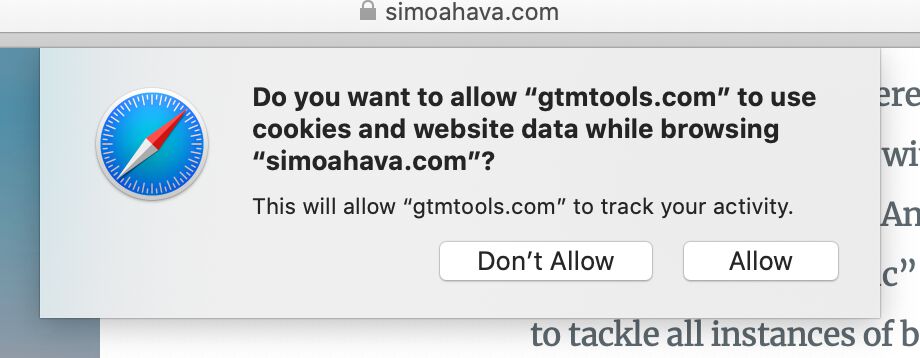
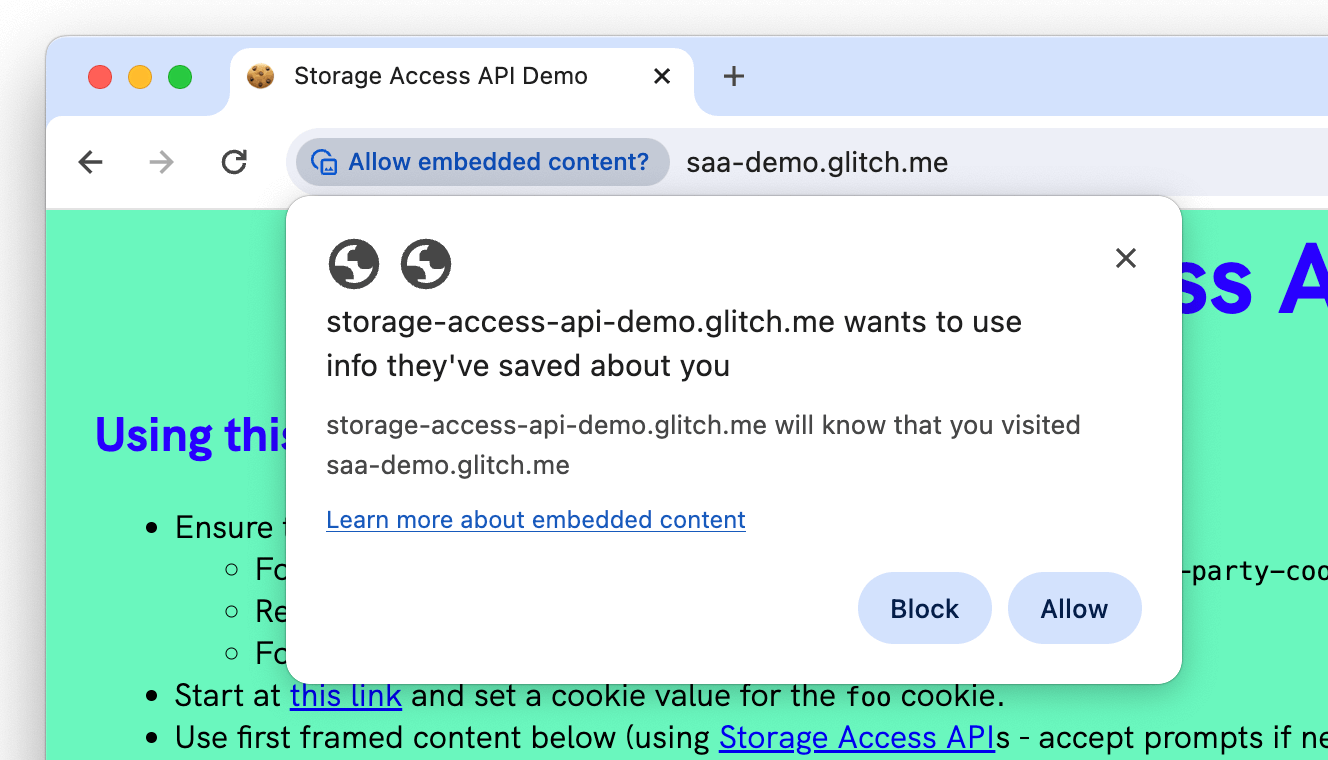
>>>> Static/unpersonalized permission prompts - example
>>>> <https://www.cookiestatus.com/images/content/storage-access-api.jpg> in
>>>> Safari, example
>>>> <https://developers.google.com/static/privacy-sandbox/assets/images/storage-access-api-permission-prompt.png>
>>>> in Chrome - perform extremely poorly (in comparison to account choosers),
>>>> although have other benefits too (namely ergonomics and extensibility), so
>>>> Chrome (and others) expose that too in the form of the Storage Access
>>>> API
>>>> <https://developer.mozilla.org/en-US/docs/Web/API/Storage_Access_API>.
>>>>
>>>>
>>>>>
>>>>> — Neil
>>>>>
>>>>> _______________________________________________
>>>> OAuth mailing list -- [email protected]
>>>> To unsubscribe send an email to [email protected]
>>>>
>>> _______________________________________________
>>> OAuth mailing list -- [email protected]
>>> To unsubscribe send an email to [email protected]
>>>
>> _______________________________________________
>> OAuth mailing list -- [email protected]
>> To unsubscribe send an email to [email protected]
>>
>
_______________________________________________
OAuth mailing list -- [email protected]
To unsubscribe send an email to [email protected]