https://electrek.co/2020/01/07/uber-hyundai-electric-air-taxi-evtol/
Uber and Hyundai unveil new electric air taxi with 60-mile range
Jan. 7th 2020  Fred Lambert
[images
https://i0.wp.com/electrek.co/wp-content/uploads/sites/3/2020/01/Large-39869-UberandHyundaiMotorAnnounceAerialRidesharingPartnershipReleaseNewFull-ScaleAirTaxiModelatCES-1-e1578435536290.jpg

https://electrek.co/wp-content/uploads/sites/3/2020/01/Large-39870-UberandHyundaiMotorAnnounceAerialRidesharingPartnershipReleaseNewFull-ScaleAirTaxiModelatCES.jpg

https://electrek.co/wp-content/uploads/sites/3/2020/01/Large-39871-UberandHyundaiMotorAnnounceAerialRidesharingPartnershipReleaseNewFull-ScaleAirTaxiModelatCES.jpg

https://electrek.co/wp-content/uploads/sites/3/2020/01/Large-39872-UberandHyundaiMotorAnnounceAerialRidesharingPartnershipReleaseNewFull-ScaleAirTaxiModelatCES.jpg

https://i1.wp.com/electrek.co/wp-content/uploads/sites/3/2020/01/Large-39883-UberandHyundaiMotorAnnounceAerialRidesharingPartnershipReleaseNewFull-ScaleAirTaxiModelatCES.jpg
]

Uber and Hyundai partnered on a new electric air taxi and unveiled a new
eVTOL electric aircraft with a 60-mile (100 km) range and a cruising speed
up to 180 mph (290 km/h).

Following the rise of consumer drones and improved battery capacity,
electric vertical take-off and landing aircraft (eVTOL) with the capacity
for passengers has become possible.

Many companies are currently developing different versions of the technology
to enable electric air taxi services, and automakers have gotten onboard.

Daimler invested in all-electric air taxi startup
“Volocopter,” [
https://electrek.co/2019/09/16/electric-air-taxi-volocopter-flght-video/
] which already has working prototypes.

Porsche also announced that it is building an electric vertical takeoff and
landing aircraft with Boeing [
https://electrek.co/2019/10/10/porsche-electric-vertical-take-off-and-landing-aircraft-evtol-boeing/
].

Now Hyundai is also jumping on board with plans to “mass produce” electric
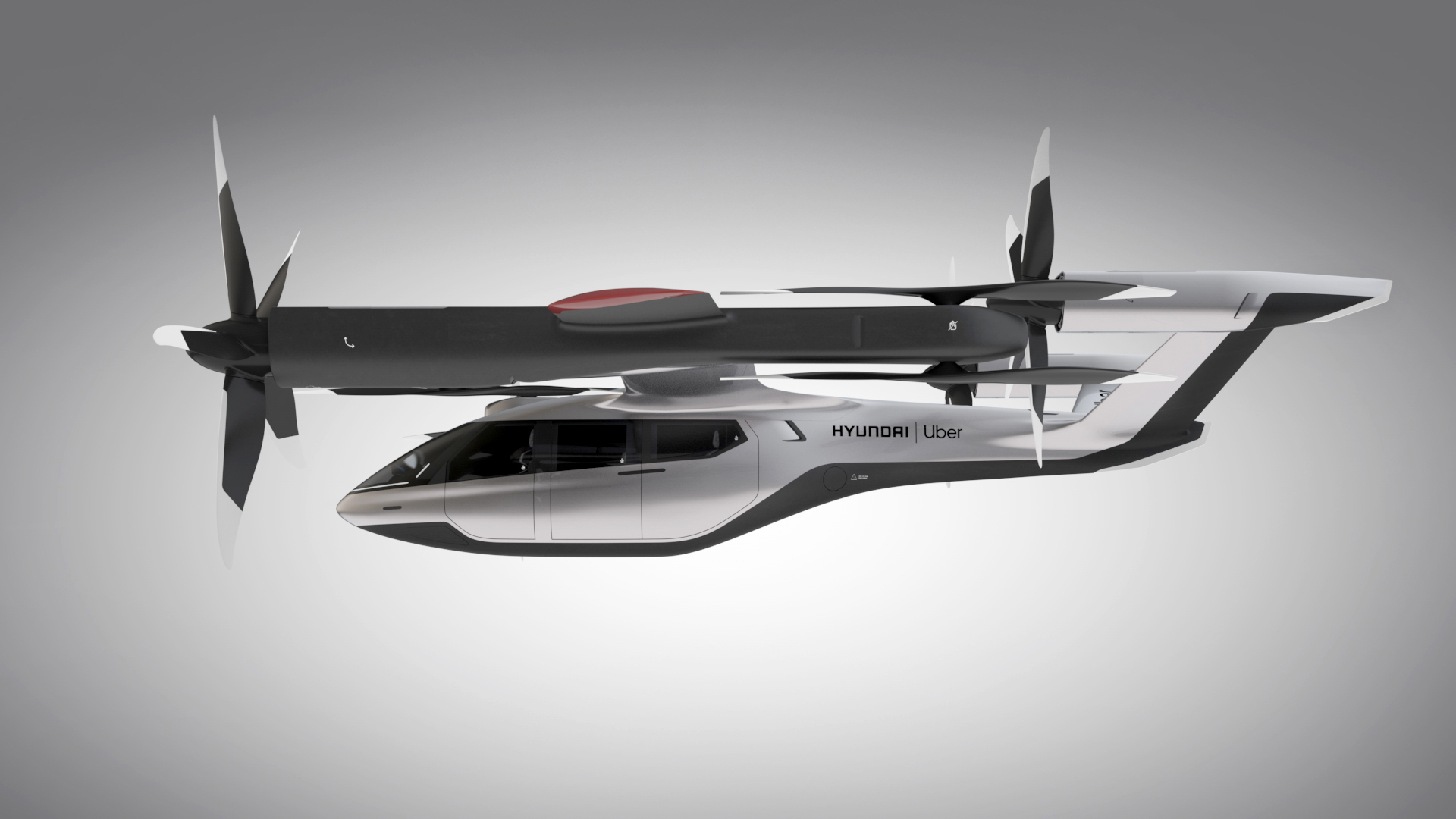
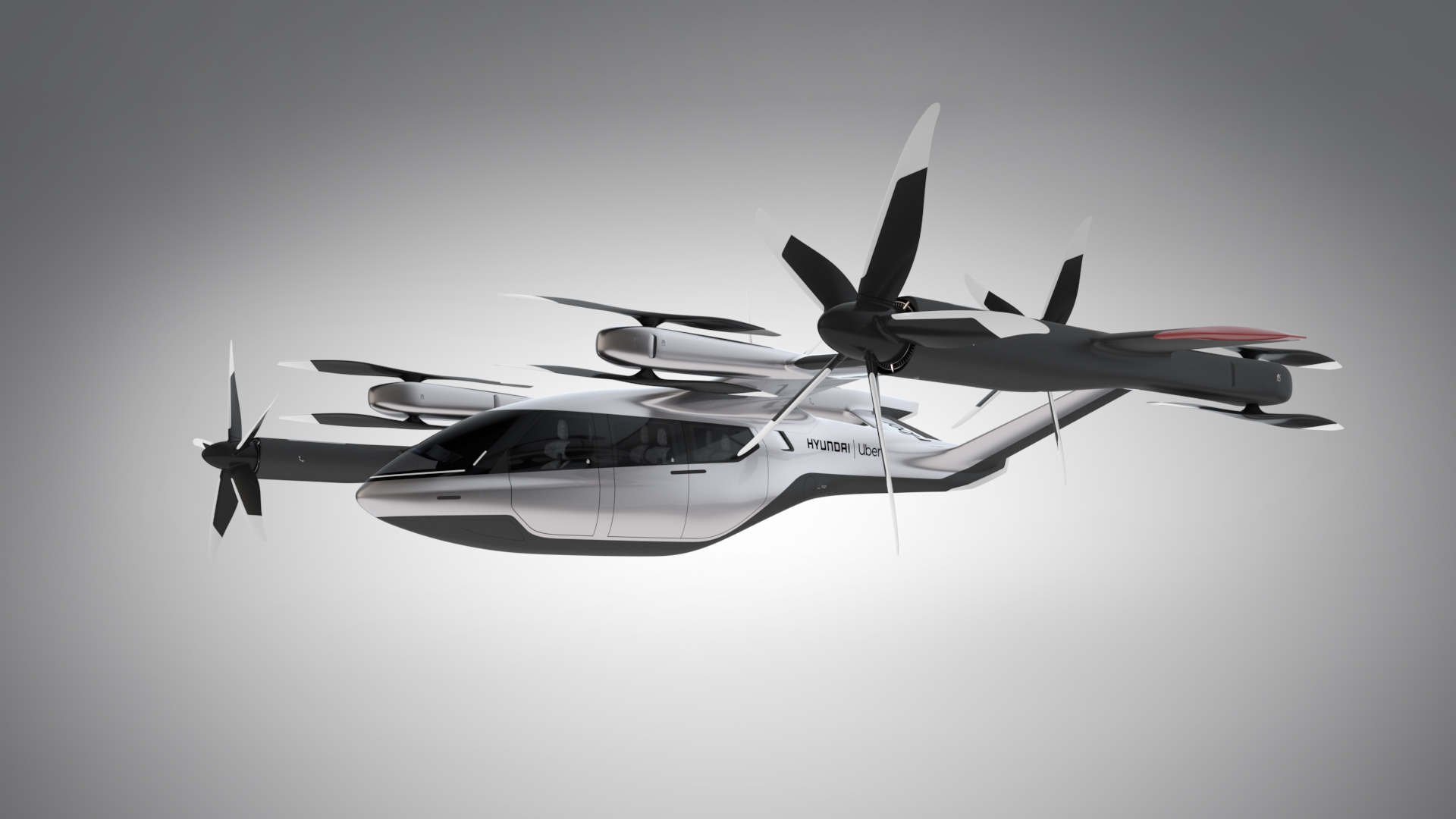
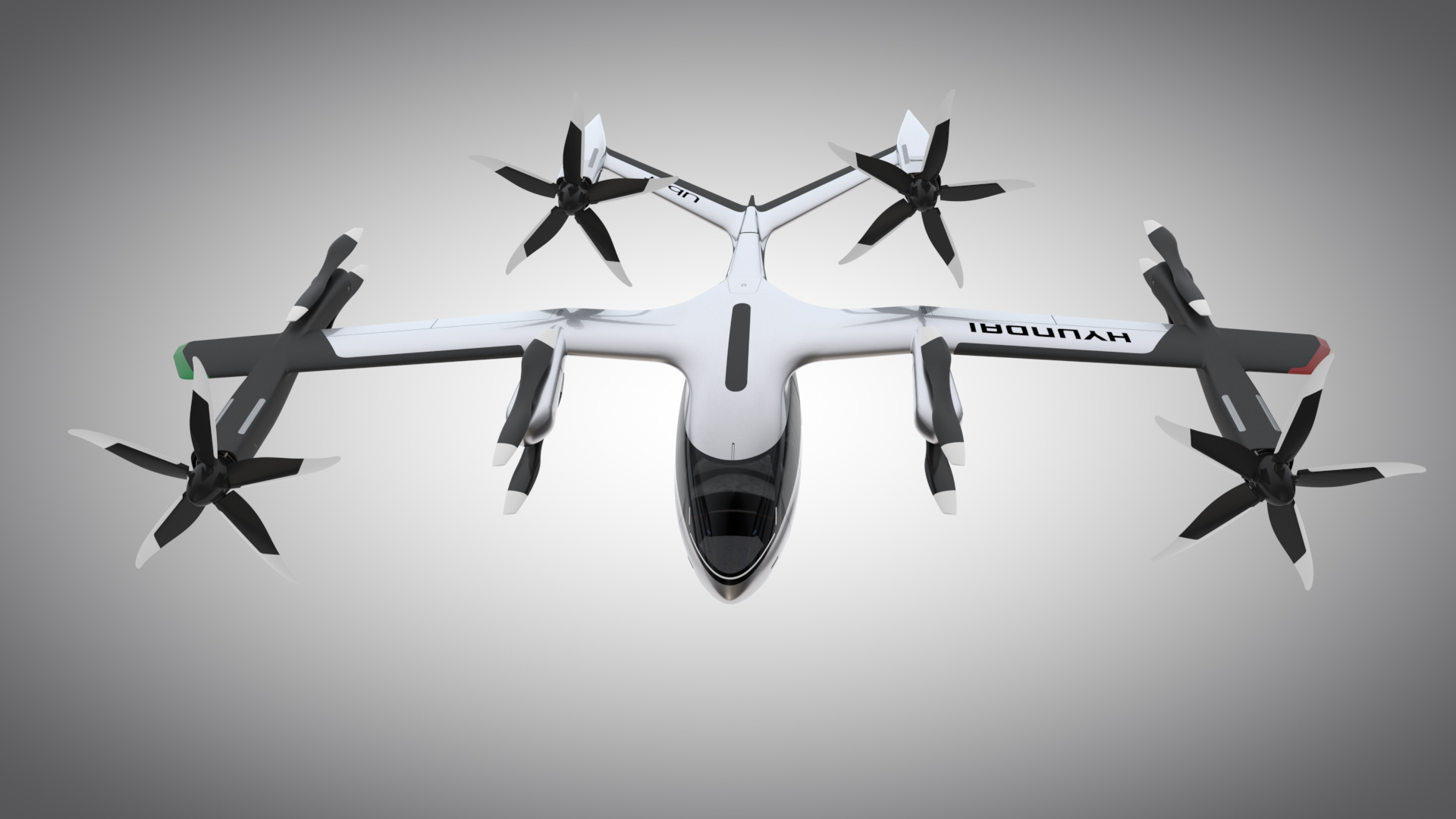
air taxis for Uber, and Hyundai unveiled a concept:

Here are the main features and specs released by Hyundai so far:

    It is designed for a cruising speed up to 180 miles/hr (290 km/hr), a
cruising altitude of around 1,000-2,000 feet (300-600 m) above ground, and
to fly trips up to 60 miles (100 km).

    The Hyundai vehicle will be 100% electric, utilizing distributed
electric propulsion, and during peak hours will require about five to seven
minutes for recharging.

    Hyundai’s electric aircraft utilizes distributed electric propulsion,
powering multiple rotors and propellers around the airframe to increase
safety by decreasing any single point of failure. Having several, smaller
rotors also reduces noise relative to large rotor helicopters with
combustion engines, which is very important to cities.

    The model is designed to take off vertically, transition to wing-borne
lift in cruise, and then transition back to vertical flight to land.

    The Hyundai vehicle will be piloted initially, but over time they will
become autonomous.

    The cabin is designed with four passenger seats, allowing riders to
board/disembark easily and avoid the dreaded middle seat with enough space
for a personal bag or backpack/rider.

Jaiwon Shin, executive vice president and head of Hyundai’s Urban Air
Mobility (UAM) Division, commented on the announcement:

    Our vision of Urban Air Mobility will transform the concept of urban
transportation. We expect UAM to vitalize urban communities and provide more
quality time to people. We are confident that Uber Elevate is the right
partner to make this innovative product readily available to as many
customers as possible.

Eric Allison, head of Uber Elevate, added:

    Hyundai is our first vehicle partner with experience of manufacturing
passenger cars on a global scale. We believe Hyundai has the potential to
build Uber Air vehicles at rates unseen in the current aerospace industry,
producing high quality, reliable aircraft at high volumes to drive down
passenger costs per trip. Combining Hyundai’s manufacturing muscle with
Uber’s technology platform represents a giant leap forward for launching a
vibrant air taxi network in the coming years.

The two companies said that they will be working together to develop the
vehicle, but they didn’t announce any timeline to production.

Electrek’s Take

I know that there’s still a lot of skepticism over these “electric air
taxis,” but I think it’s going to happen.

It makes sense as a concept. And as batteries improve and you can remove the
cost of fuel out of the equation, it’s going to start making sense
financially. Plus, it’s green transport, which is crucial for the
environment and our health.

And now we are seeing massive companies like Boeing, Porsche, and Uber
putting a lot of money into those projects.
[© electrek.co]


For EVLN EV-newswire posts use:
 http://www.evdl.org/archive/


{brucedp.neocities.org}

--
Sent from: http://electric-vehicle-discussion-list.413529.n4.nabble.com/
_______________________________________________
UNSUBSCRIBE: http://www.evdl.org/help/index.html#usub
ARCHIVE: http://www.evdl.org/archive/index.html
INFO: http://lists.evdl.org/listinfo.cgi/ev-evdl.org
Please discuss EV drag racing at NEDRA (http://groups.yahoo.com/group/NEDRA)