https://www.thethings.com/myths-about-electric-cars-that-simply-arent-true/
20 Myths About Electric Cars That Simply Aren’t True
DEC 21, 2019  MEGAN GLOSSON
[images
https://static1.thethingsimages.com/wordpress/wp-content/uploads/2019/12/20-Myths-About-Electric-Cars-That-Simply-Aren%E2%80%99t-True-2.jpg

https://static3.thethingsimages.com/wordpress/wp-content/uploads/2019/12/2-The-Driven.jpg
 Too Futuristic

https://static2.thethingsimages.com/wordpress/wp-content/uploads/2019/12/3-Smart-Start-Media.jpg
 Are Slow

https://static2.thethingsimages.com/wordpress/wp-content/uploads/2019/12/4-Quality-Car-Wash.jpg
 Can’t Wash

https://static3.thethingsimages.com/wordpress/wp-content/uploads/2019/12/5-Wikipedia.jpg
 (aren't safe)

https://static3.thethingsimages.com/wordpress/wp-content/uploads/2019/12/6-ABD.jpg
 Can’t Recycle pack

https://static1.thethingsimages.com/wordpress/wp-content/uploads/2019/12/6-The-Sun-UK.jpg
 Nobody’s Making EVs

https://static3.thethingsimages.com/wordpress/wp-content/uploads/2019/12/tesla.jpg
 They’re Expensive

https://static0.thethingsimages.com/wordpress/wp-content/uploads/2019/12/9-Consumer-Reports.png
 Require Excessive Maintenance

https://static3.thethingsimages.com/wordpress/wp-content/uploads/2019/12/10-Consumer-Reports.png
 Not Practical

https://static1.thethingsimages.com/wordpress/wp-content/uploads/2019/12/11vox.jpg
 raise Your Electric Bill

https://static3.thethingsimages.com/wordpress/wp-content/uploads/2019/12/12technologyreview.jpg
 Charge Takes Forever

https://static3.thethingsimages.com/wordpress/wp-content/uploads/2019/12/13electrek.jpg
 Grid Can’t Handle EVs

https://static2.thethingsimages.com/wordpress/wp-content/uploads/2019/12/17Vox.jpg
 pack Explosions

https://static0.thethingsimages.com/wordpress/wp-content/uploads/2019/12/RatchetAndWrench.jpg
 Hurts Environment
]

Although myths surround EVs, it's time to set the record straight. In
reality, they attempt to reduce greenhouse gases and smog.

We’re becoming increasingly conscious of the ways our driving habits impact
the planet – and for good reason! Not only are our daily driving habits
creating greenhouse gases and smog, but they’re also impacting the prices of
goods and services thanks to rising fuel prices.

Many people firmly believe that we can save our planet by eliminating
gas-powered vehicles and switching to electric cars. Obviously EVs would
eliminate gas emissions and our heavy reliance on the oil industry, both of
which would positively impact the environment. But there are so many myths
surrounding electric vehicles that it’s hard to know which are facts and
which are myths.

If you’re considering purchasing an electric car or are just curious about
them, then check out this list of 20 untrue myths about EVs.

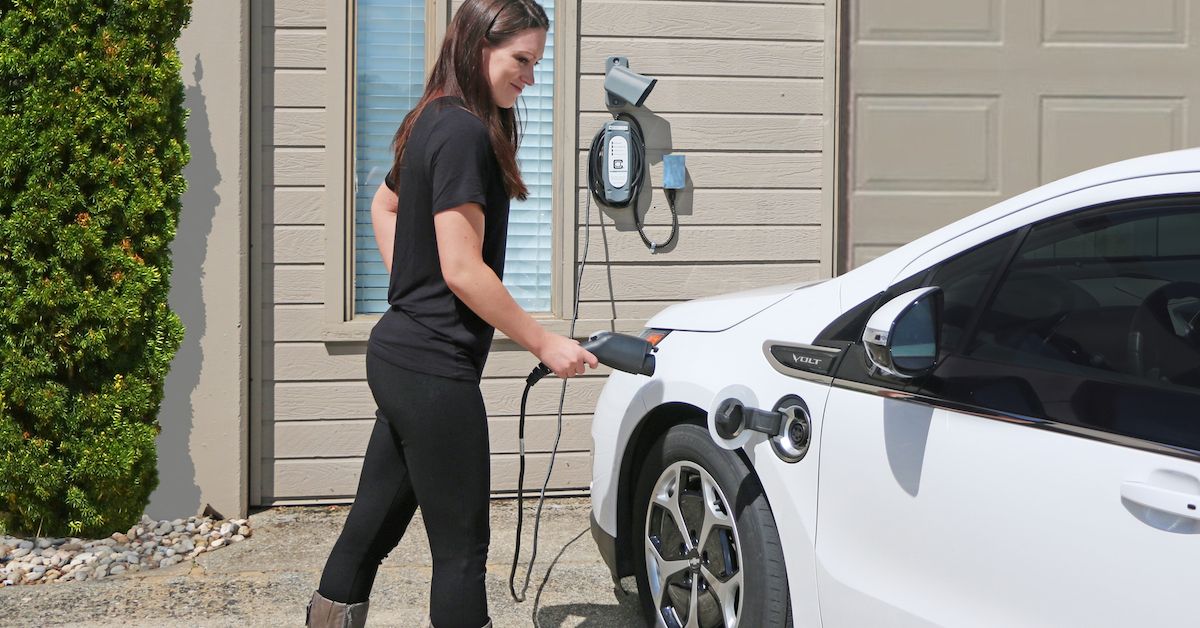
20
Electric Cars Don’t Actually Lower Pollution
Via National Institute of Environmental Science
Unlike traditional engines (which only convert 20 percent of gasoline energy
into power), electric motors actually convert 75 percent of their battery’s
chemical energy into power. Additionally, EVs don’t emit any tailpipe
pollutants. So although charging these cars does create some indirect
atmospheric pollution, electric cars definitely cut down on the gases that
enter the air on a daily basis.

19
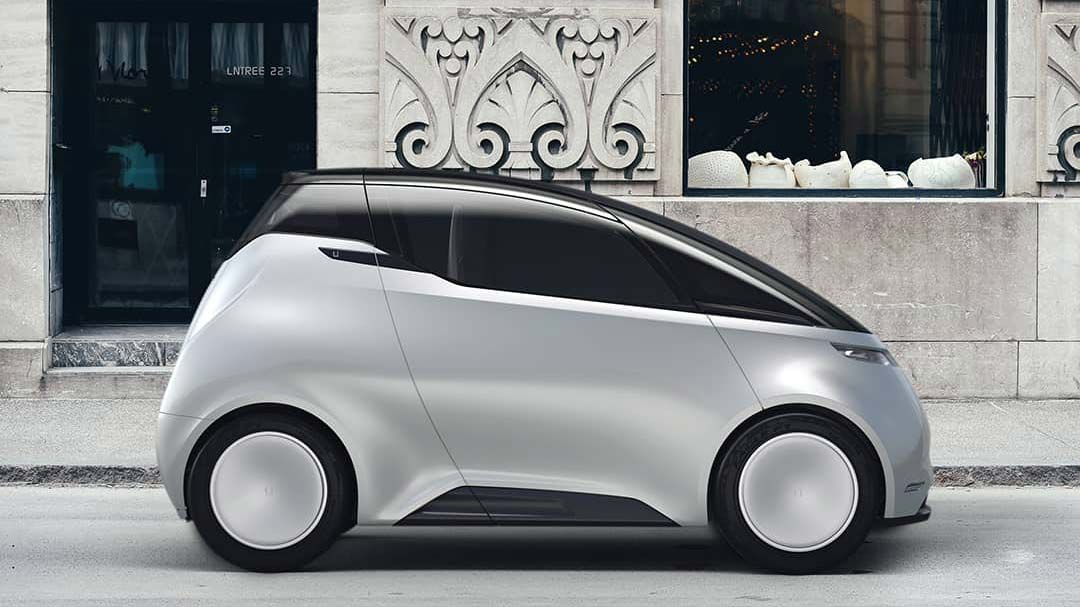
They’re Too Futuristic
Via The Driven
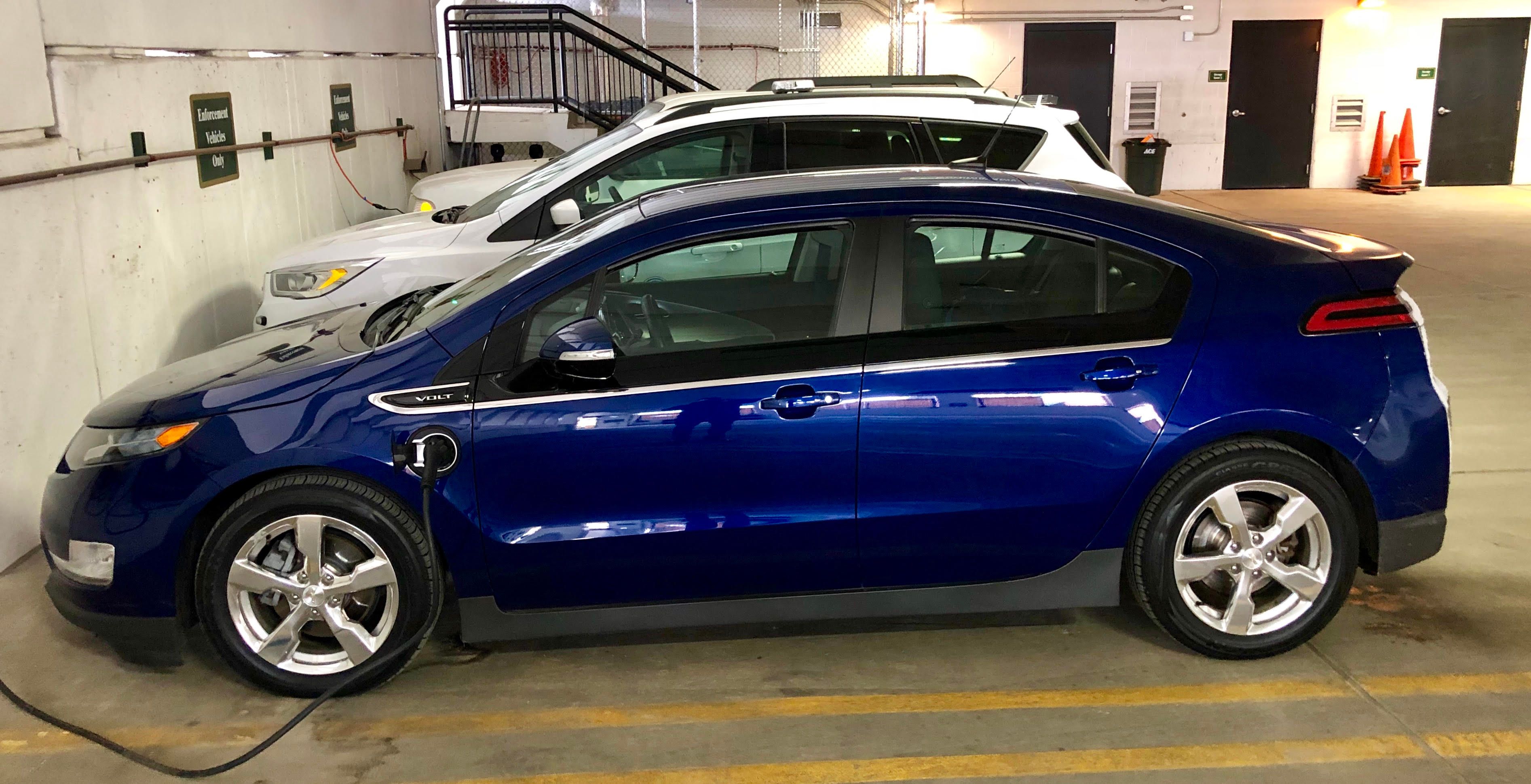
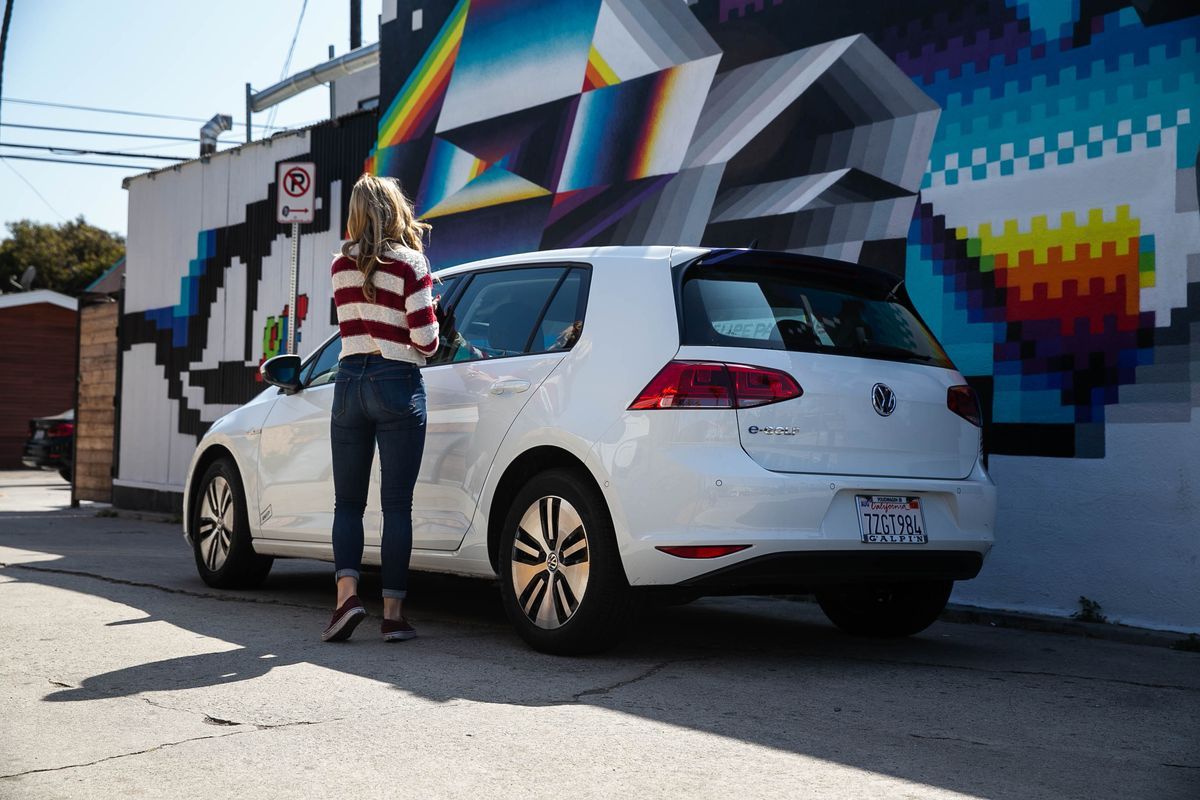
Although some models do look very futuristic, more and more car companies
are jumping on board with the electric vehicle craze. In fact, some
companies are offering the option for drivers to purchase their most popular
models in EV forms. In these cases, it’s hard to tell the difference between
gas and electric motors.

18
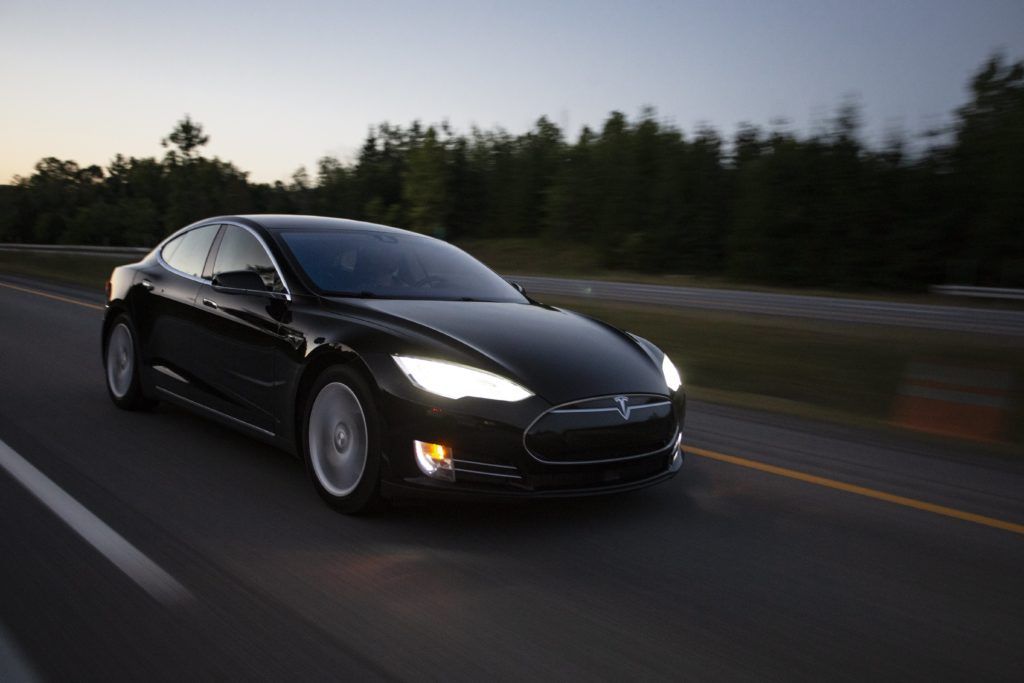
Electric Cars Are Slow
Via Smart Start Media
This couldn’t be more false. Because of their build, electric vehicles
actually provide instant usable torque. This means that drivers experience
no lag upon acceleration. And if that’s not enough, some models, like the
Jaguar I-Pace, now come in all-wheel drive. Watch out, world, electric cars
may take over the race track soon!

17
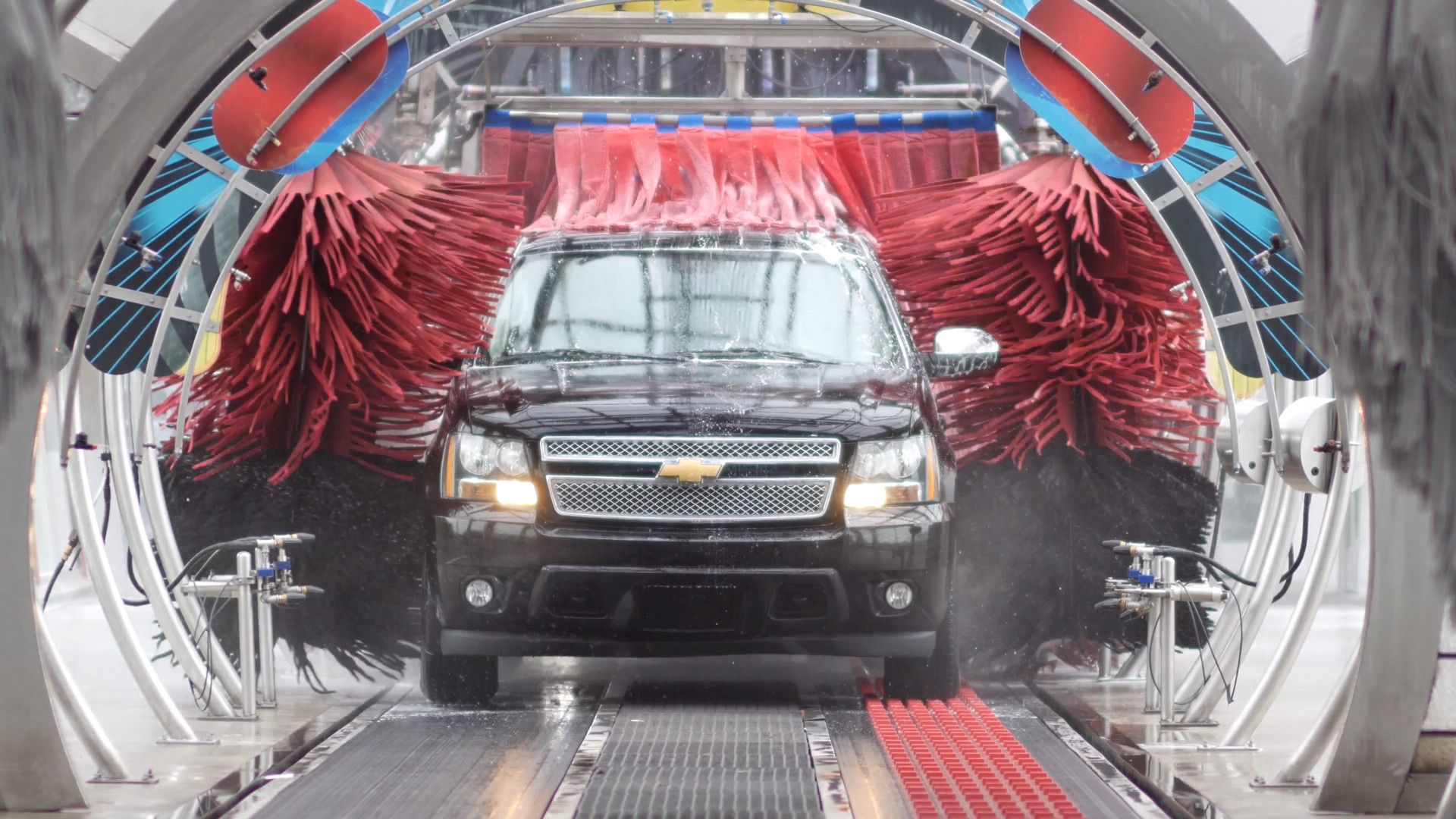
You Can’t Wash Them
Via Quality Car Wash
Yes, you heard me: Some people actually believe that electric cars can’t go
through the car wash. However, this isn’t at all true. The battery and all
electric components are well protected, so you can wash your EV anytime. And
in case you’re curious, you can also drive them in the rain.

16
EVs Don’t Meet Safety Standards
Via Wikipedia
People think that because there aren’t test results published for some EVs,
this must mean they aren’t safe. This isn’t true at all. The National
Highway Traffic Safety Administration just doesn’t perform tests on
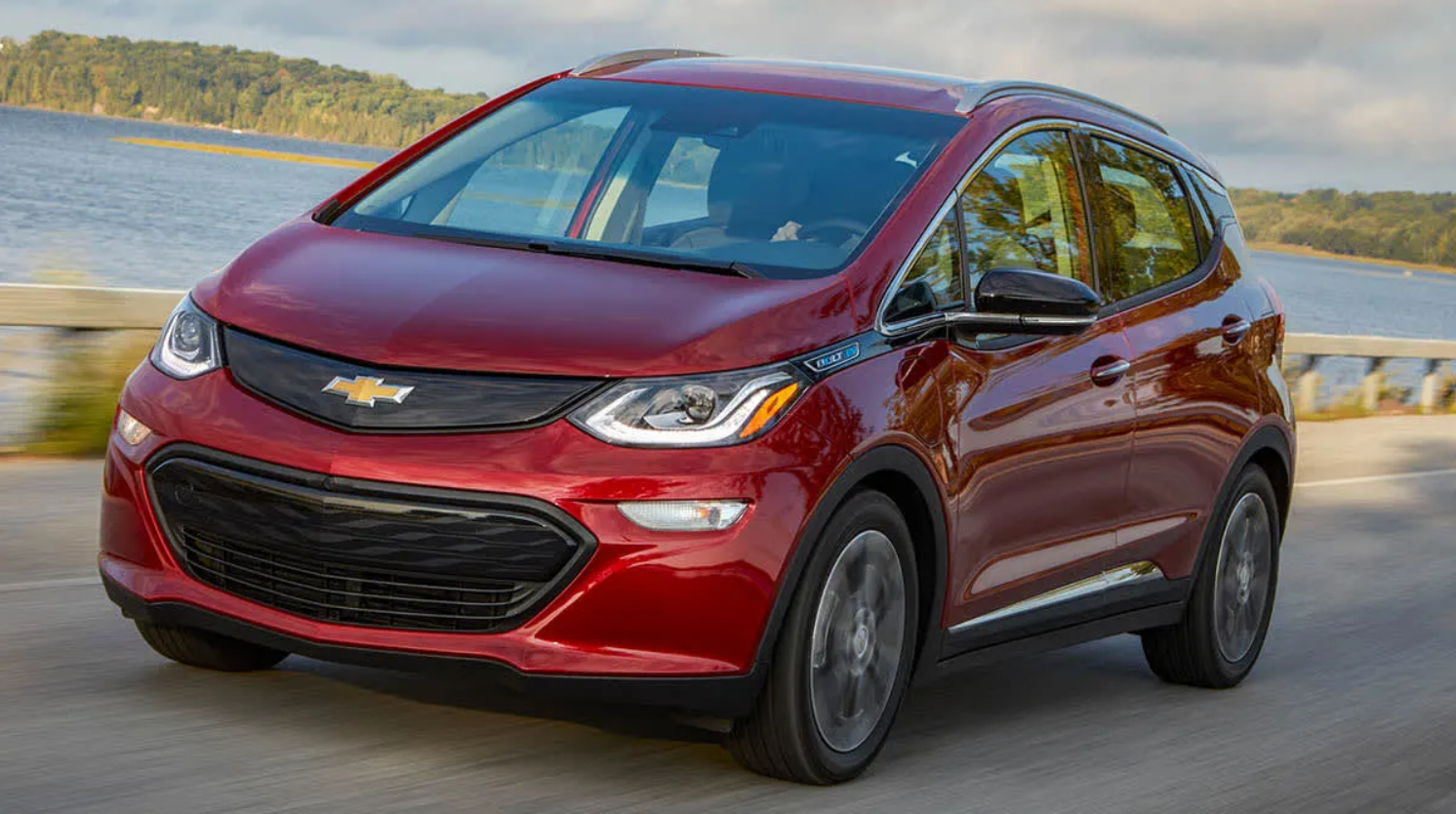
low-volume vehicles. With that being said, mass produced vehicles such as
the Chevy Bolt EV received a 5-star safety rating from the NHTSA’s tests.

15
You Can’t Recycle The Batteries
Via ADB
As research in this area increases, people are finding great solutions for
recycling and refurbishment car batteries. Some scientists have successfully
restored battery chemistry or generally repurposed them. Within the next ten
years, there will likely be even more advances in this area as EV sales
continue to increase. Besides, don’t gasoline engines also use batteries?

14
Nobody’s Making Electric Cars
Via The Sun UK
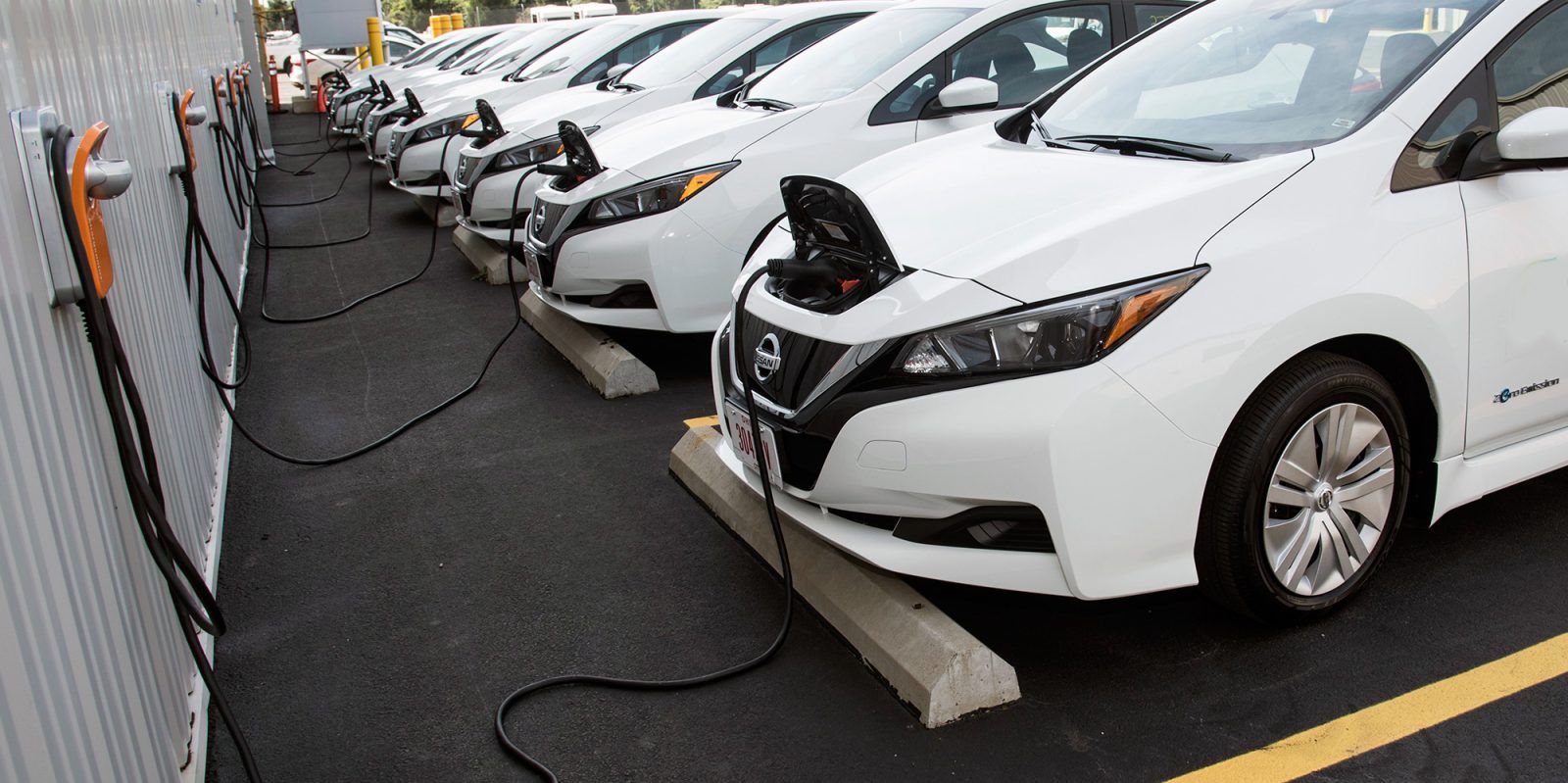
To date, there are over 70 electric vehicles being produced across the
world. In fact, almost every company that sells in US markets is making at
least one electric model vehicle. In addition to the fully electric models,
more and more companies are also making plug-in hybrid options a standard
part of their lineup.

13
They’re Expensive
Via Motor1.com
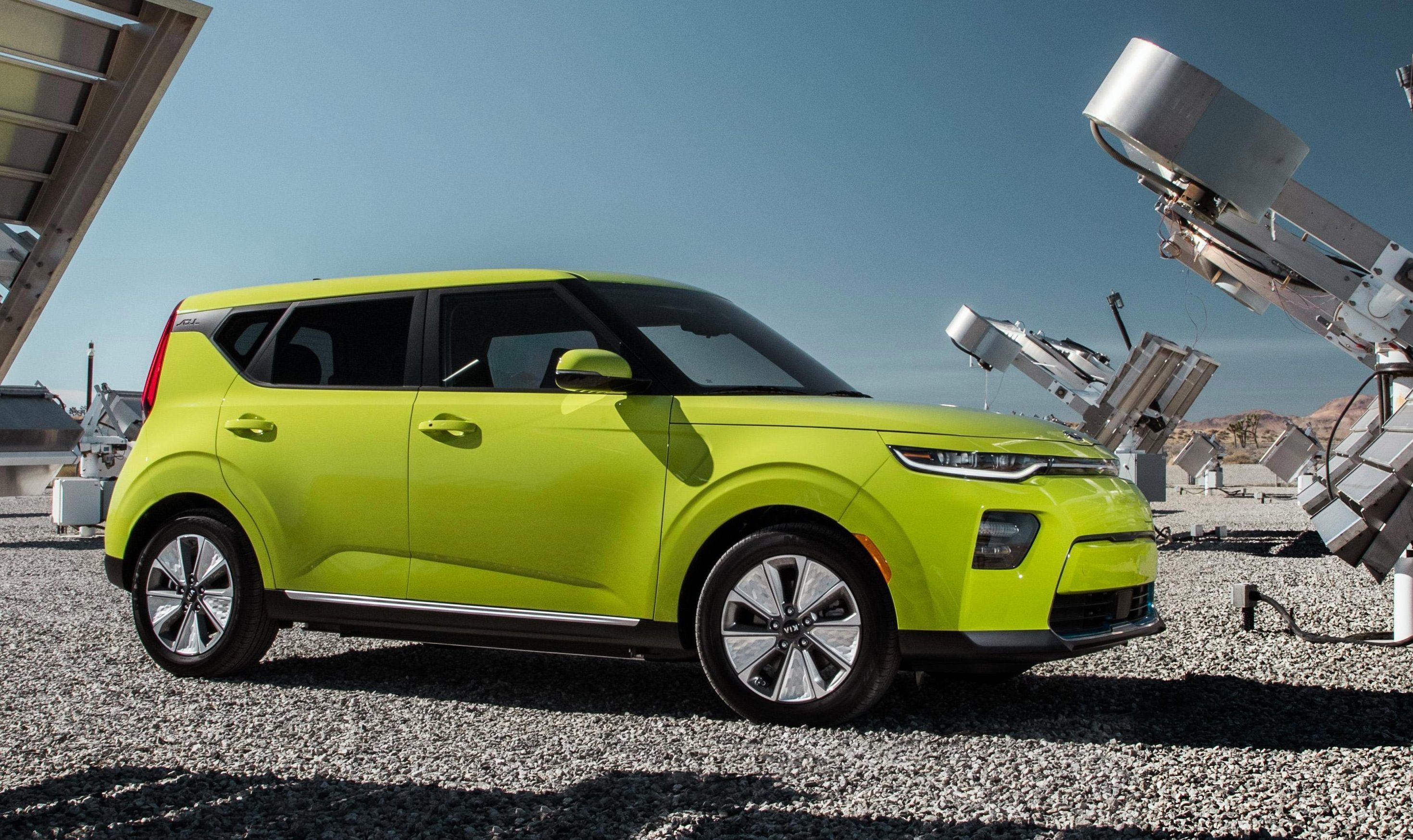
According to Kelley Blue Book, the average cost of a new car sold in the
United States runs right around $35,000. To date, ten electric vehicles and
13 plug-in hybrid models are currently available for less than $35,000.
These models include SUVs, minivans, sedans, hatchbacks, and crossovers. So,
there’s literally something for everyone in the electric market.

12
They Require Excessive Maintenance
Via Consumer Reports
Actually, electric cars require even less maintenance than traditional
internal combustion engines. For starters, EVs don’t require oil changes or
tune-ups. Plus, their engines involve significantly less moving parts than
fuel engines. Seriously, there’s no replacing spark plugs, fuel tanks,
clutches, or drive belts with electric cars. Sounds like savings to me!

11
EVs Are Not Practical For Distance Driving
Via Consumer Reports
According to the U.S. Department of Energy, close to 70 percent of drivers
commute less than 60 miles per day during the work week. This is well within
most EV ranges, especially those who can go upwards of 200 miles before
needing a recharge. And since electric cars can charge virtually anywhere,
you can plug in while you work at the office!

10
Your Electric Bill Will Significantly Increase
Via Vox
The EPA says that a car like the Hyundai Ioniq will cost owners an average
of $500 per year to charge based on current electric rates. Even with
current gas station prices, consumers will still save an average of $5,000
in fuel costs over a five-year period. So much for that myth.

9
And They Take Forever To Charge
Via Technology Review
A typical all-electric vehicle will fully charge over the course of 8 hours
on a 120-volt household outlet. Therefore, the most convenient time to
charge is while you work or sleep. With that being said, some EVs can charge
in half the time by using a 240-volt outlet or public quick-charge station.

8
The Power Grid Can’t Handle Electric Cars
Via Electrek
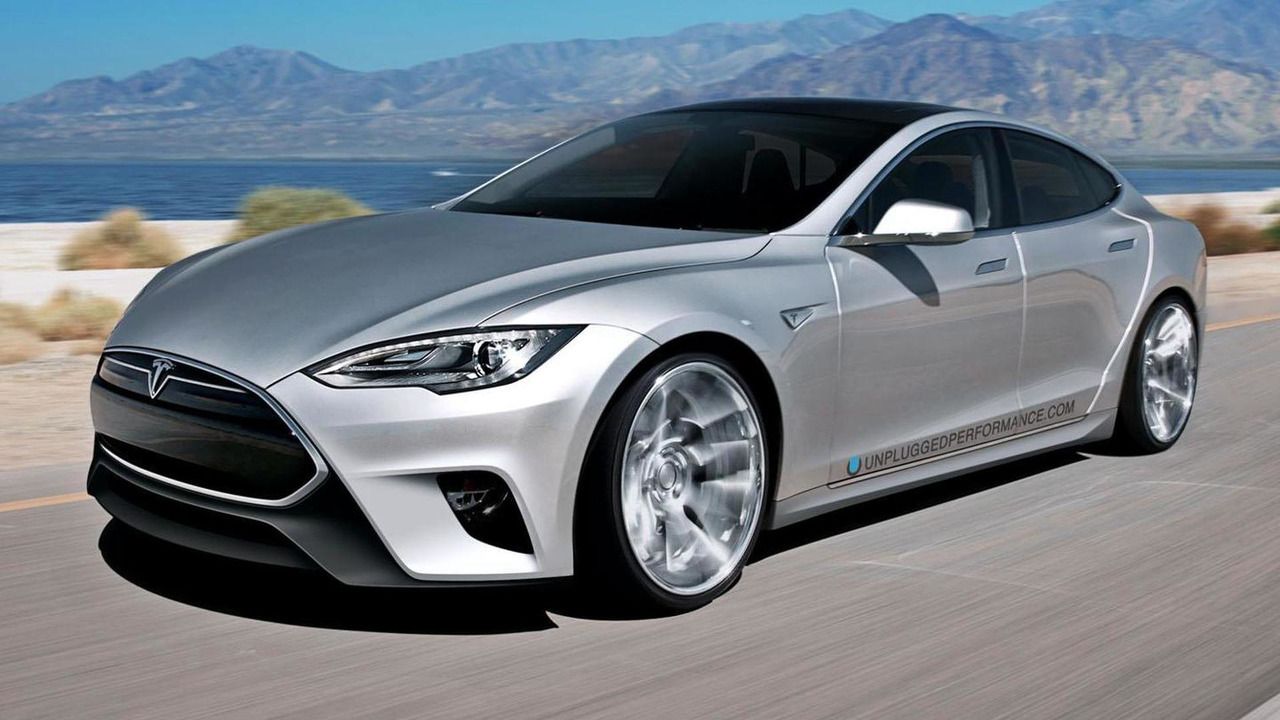
Tesla founder Elon Musk firmly believes that the electricity currently used
in oil refining is enough to power his cars. Furthermore, cars typically
charge during some of the least taxing times on the grid. Most consumers max
electricity use during the day, whereas most people charge their electric
cars overnight when most other electronic devices are powered down.

7
And We’ll Never Have Enough Public Charging Stations
Via MSN
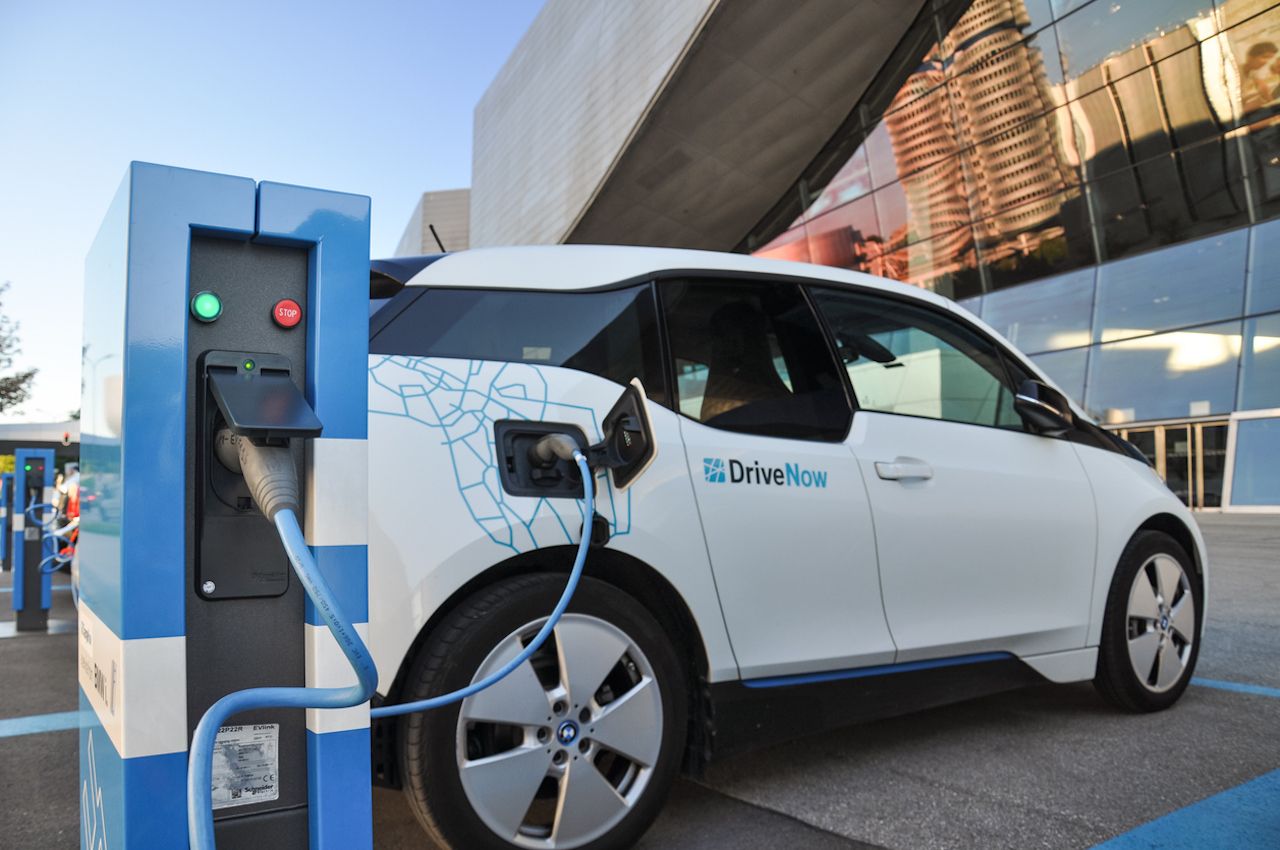
To date, there are close to 20,000 charging stations up and running
throughout the United States. Most people plug in at these stations for an
average of 30 minutes. And although public charging stations are becoming
increasingly visible, they aren’t really needed. In fact, most people charge
their electric cars from their home or work setting.

6
The Battery Weighs Too Much
Via HomeGuide.com
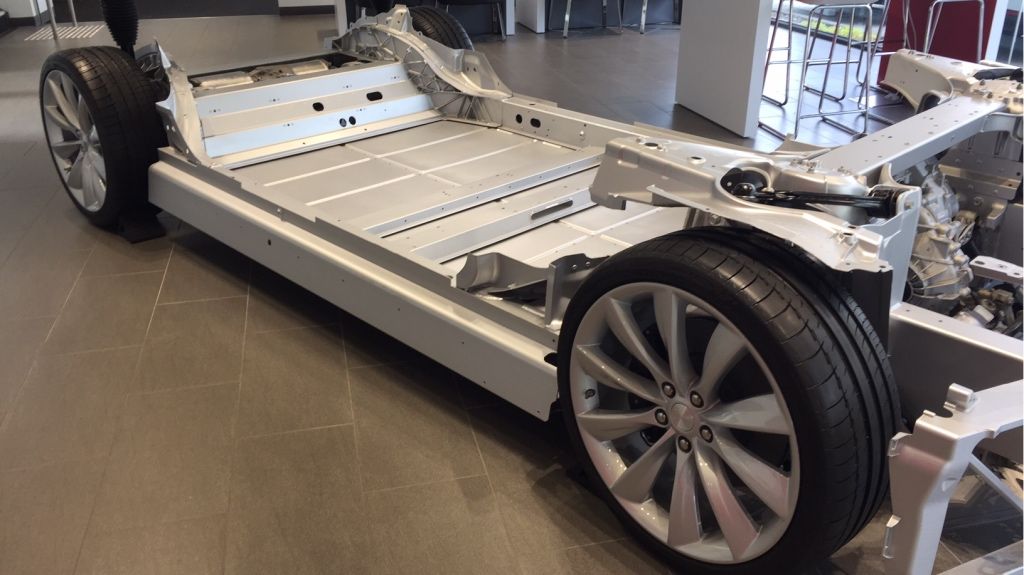
Yes, electric car batteries do weigh a significant amount. However, EV
batteries will get lighter over time as lithium-ion cell energy density
increases at around 7 percent per year. Furthermore, manufacturers are
finding other ways to lighten cars to compensate for the added battery
weight. So, don’t worry; you won’t blow out your tires.

5
And Batteries Will Soon Clutter Landfills
Via Chicago Town News
The federal government mandates that all electric car batteries carry an
eight-year, 100,000 mile warranty. With that being said, most reports show
that EVs maintain upwards of 75 percent of their battery capacity after
120,000 miles. Furthermore, just like traditional car batteries, EV
batteries can become recycled or even repurpose homes.

4
You Can’t Drive Them On The Interstate
Via CloudFront.net
Just like the misnomer that electric cars lag on acceleration, the same can
be said for top speeds. Most electric cars can handle 0 to 60 in mere
seconds, and some boast top speeds well over 200 MPH. Since most interstate
highways here in the United States top out around 70 MPH, your EV should
have no problems on the highway.

3
The Batteries Have A High Risk Of Explosion
Via Vox
We’ve all seen cars on fire at least once in our lives. That’s because all
vehicles run the risk of explosion during fatal crashes. Thankfully, car
companies put specific safety precautions in place such as collision
detectors, cooling systems, and protective shells around the battery.
Therefore, the risk of explosion on most electric car batteries is very,
very low.

2
Producing Electric Vehicles Hurts The Environment
Via Ratchet and Wrench
Many people claim that electric cars don’t really help the environment if
the electricity they use comes from sources like coal burning. However, many
states are working to build renewable energy infrastructure and moving away
from coal and other fossil fuels. And even with fossil fuels in place,
electric cars still cut carbon footprints upwards of 65 percent.

1
EVs Take Away From Mass Transit
Via Vox
Although this isn’t a huge one since the majority of US citizens cannot
access mass transit from their homes, it is still completely false.
Norwegian news site TU discovered that mass transit use only drops about 5
percent when electric cars enter the market. Furthermore, the US government
is still budgeting more money towards transit than EV infrastructure, so
funding isn’t leaving transit anytime soon.
[© thethings.com]


+ (Volt-pih &Tesla-3 EV packs mentioned ... mainly phone related)
https://www.msn.com/en-in/finance/gadgets/six-truths-about-your-phones-battery-life-fast-charging-overcharging-and-overheating/ar-BBYfD3h
Six truths about your phone's battery life: Fast charging, overcharging and
overheating
Here's what we learned. All mobile phones -- and most personal electronics
and electric vehicles -- use lithium-ion (li-ion) ...
https://img-s-msn-com.akamaized.net/tenant/amp/entityid/BBY9OBV.img


For EVLN EV-newswire posts use:
 http://www.evdl.org/archive/


{brucedp.neocities.org}

--
Sent from: http://electric-vehicle-discussion-list.413529.n4.nabble.com/
_______________________________________________
UNSUBSCRIBE: http://www.evdl.org/help/index.html#usub
ARCHIVE: http://www.evdl.org/archive/index.html
INFO: http://lists.evdl.org/listinfo.cgi/ev-evdl.org
Please discuss EV drag racing at NEDRA (http://groups.yahoo.com/group/NEDRA)