https://thedriven.io/2019/12/08/my-electric-motorcycle-mea-culpa/
My electric motorcycle mea culpa
DECEMBER 8, 2019  NIGEL MORRIS
[images
https://thedriven.io/wp-content/uploads/2019/02/zero-srf-2.jpg
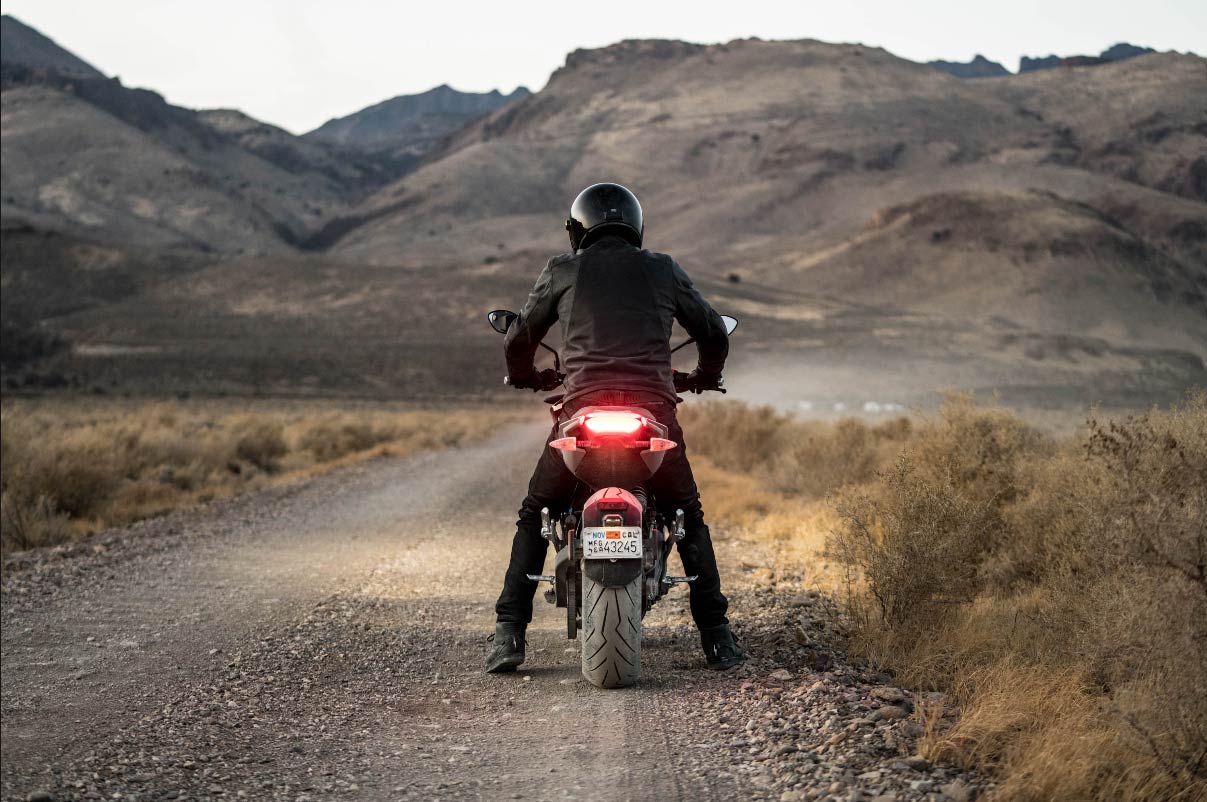
The new Zero SR/F. Source: Zero Motorcycles
]

Seven years, five months and four days ago, I became an electric motorcycle
owner.

I won’t bore you with all the details, but you can get a good night’s sleep
reading about my trials and tribulations elsewhere on these esteemed pages
if you are keen.

Suffice to say, there have been some bumps in the road which, quite frankly,
I’m ok with. I accept that I’m an early adopter and my latest bike (one
traded up in 2015) now has almost 50,000km of almost trouble-free mileage on
it.

In fairness, it’s not just electric motorcycle owners who suffer problems
with support or reliability as this report spells out. Ironically for a
slightly depressed electric motorcycle owner, the number one problem with
petrol powered bikes was the electrical system, representing 24 per cent of
repaired bikes.

But now, my personal mea culpa; I recently bought a petrol motorbike out of
desperation because my Zero has been off the road for almost a year.

What happened?

Apart from a failed charger and rear shock that were both replaced under
warranty, my 2014 Zero DS has been a joy to own, ride and maintain. But,
about a year ago, I went over some wet tar which threw a chunk of tar and
rock into my belt drive and my problems started soon afterwards.

Essentially, the bike would just stall and start flashing warning lights at
me. My good friends at Elmofo re-timed the motor position sensor which got
me going again for a couple of months, but then the same problem emerged
again. By complete coincidence, my charger also started playing up again,
failing to charge the bike fully.

Unfortunately, by this stage Zero Motorcycles had exited Australia
altogether and one lonely dealer was left, about 1,000km from me.

To their credit, the factory was really very helpful and even helped with a
late night remote login session, where we downloaded the log files, tested
and attempted a remote diagnosis. The factory diagnosed a second charger
failure (it’s a recurring problem with zeros) and “a problem” with the
motor.

Over the next few months, I exchanged regular emails and calls to the
factory support line. They were lovely but insisted that I had to ship the
bike 2,000km return, pay for the motor via the dealer and pay the labour.
They would give me the charger out of goodwill, but I was faced with close
to $6,000 all up.

For reference, a motor swap is incredibly easy (compared to regular
motorcycles) but the liability associated with testing and timing it was too
much for the factory and it had to be done by a trained dealer. (If you get
it wrong the motor can disintegrate, and you are dealing with potentially
lethal voltages and current)

After several months of debate, I successfully argued that even though I was
out of warranty, the motor should not fail after only 50,000km, nor should
it be susceptible to catastrophic damage from a piece of tar.

Eventually, to their great credit they agreed and I got a written agreement
that yes, they would supply the parts at no cost as long as I paid the
freight and labour.

However, by the time this was all sorted, the dealer had gone bust.

So, for the last six months or so, apart from regular calls and emails to
support pleading for help, they are simply unable to fulfill their promise
until a new dealer is trained and ready.

So, my bike just silently sits.

Out of desperation, I recently resorted back to my crusty old comfort zone
and bought a 36 year old Suzuki DR500 that was mostly complete. It was
cheap, I know them well (having owned one for many years as a younger man)
and I figured I could probably bring it back to life as an interim measure.

I didn’t want to buy a cheap new petrol bike and second hand petrol bikes
are a minefield, so I chose the DR because it was dirt cheap and I figured
it would be more sensible to rebuild one from scratch and teach my boys what
is involved, to pass down some skills.

It’s also similar to the DS as an enduro bike and is renowned as being
pretty solid and reliable when cared for and not too far off the power and
torque stakes.

On paper, the range is about the same for both machines (max 200km) and the
weight and ride is pretty similar. For reference, on paper the Zero DS has
twice the power and torque, but is also a lot more money.

Petrol vs electric

As it turns out, it wasn’t sold as a wreck just for fun.

A broken rim, bent shocks, a missing carburetor and some rust are all
manageable and affordable. The motor turned over but was making some
“noises” and so it began.

My return journey into the bowels of mechanical complexity.

So far, I have invested around 40 hours and found a destroyed main bearing,
most of the cam chain tensioner was floating around inside the motor and the
cam chain was so loose it had converted some of the engine case into a fine
aluminium slurry and distributed it conveniently throughout every single
corner of the motor.

Now, for reference, the motor and motor control system on my Zero consists
of 15 individual parts. It’s pretty simple.

The motor and fuel system on my Suzuki by contrast, consists of around 387
parts or 25.8 times as many, for almost the same result. On top of that,
every single one of those 387 parts has to be within specification,
perfectly fitted, adjusted, torqued up and maintained every 60 hours,
according to the now greasy workshop manual.

I have had to make or buy no less than five truly unique tools to pull it
apart (and re-assemble it) and will need to get professional help on the
valves and crank rebuild. At this stage, I am hopeful but still don’t know
if I can actually get all the parts I need to rebuild it.

Regrets

At this point I have no regrets for being an early adopter but obviously,
staring down the barrel of a $20,000 write-off after only 50,000km is a
little terrifying, to say the least.

I can say though that right now, I wouldn’t recommend a Zero to anyone I
actually like (if they are based in Australia), unless they are swimming in
skills, patience and time.

Between the factory, the internet and my good friends we MUST be able to get
the Zero going again at some stage, but there’s a fine line which I’m
dancing around further investment. Ironically, a very similar fine line on
my relic of a Suzuki.

Wish me luck.
[© thedriven.io]
...
https://www.google.com/search?q=mea+culpa


+
https://cleantechnica.com/2019/12/10/93-mwh-tesla-powerpack-coming-to-alaska-to-save-customers-cash/
93 MWh Tesla Megapack Coming To Alaska To Save ...
December 10th, 2019  A new 93 MWh Tesla Megapack system ... demonstrate ....
batteries can replace gas-fired peaker plants, they can do so even in the
frigid temperatures of Alaska, where temperatures typically stay below
freezing for months ...
https://cleantechnica.com/files/2019/12/tesla-hornsdale-battery-turbine-powerpack-energy-australia-wind-lithium-TESLA-5-1536x859.png


For EVLN EV-newswire posts use:
 http://www.evdl.org/archive/


{brucedp.neocities.org}

--
Sent from: http://electric-vehicle-discussion-list.413529.n4.nabble.com/
_______________________________________________
UNSUBSCRIBE: http://www.evdl.org/help/index.html#usub
ARCHIVE: http://www.evdl.org/archive/index.html
INFO: http://lists.evdl.org/listinfo.cgi/ev-evdl.org
Please discuss EV drag racing at NEDRA (http://groups.yahoo.com/group/NEDRA)