http://www.bmwblog.com/2015/10/06/winter-is-coming-i3-owners-be-prepared-for-reduced-range/
Winter is coming: i3 Owners, Be Prepared For Reduced Range
October 6th, 2015  by Tom Moloughney  bmwi3blogspot
[images
http://cdn.bmwblog.com/wp-content/uploads/2015/10/bmw-i3-rex-trip.jpg
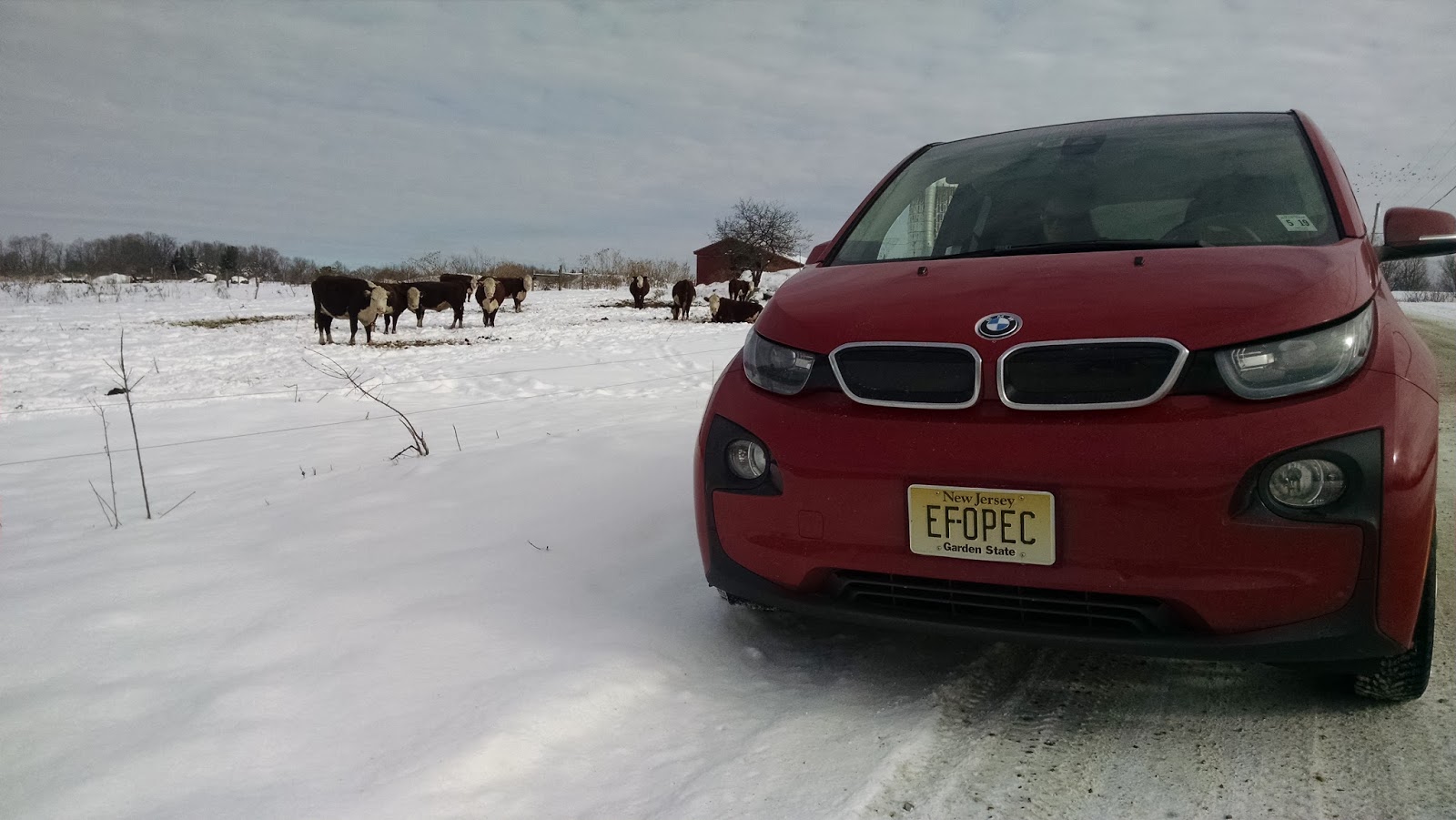
(snow)  bmw i3 rex trip

http://cdn.bmwblog.com/wp-content/uploads/2015/10/bmw-i3-range.jpg
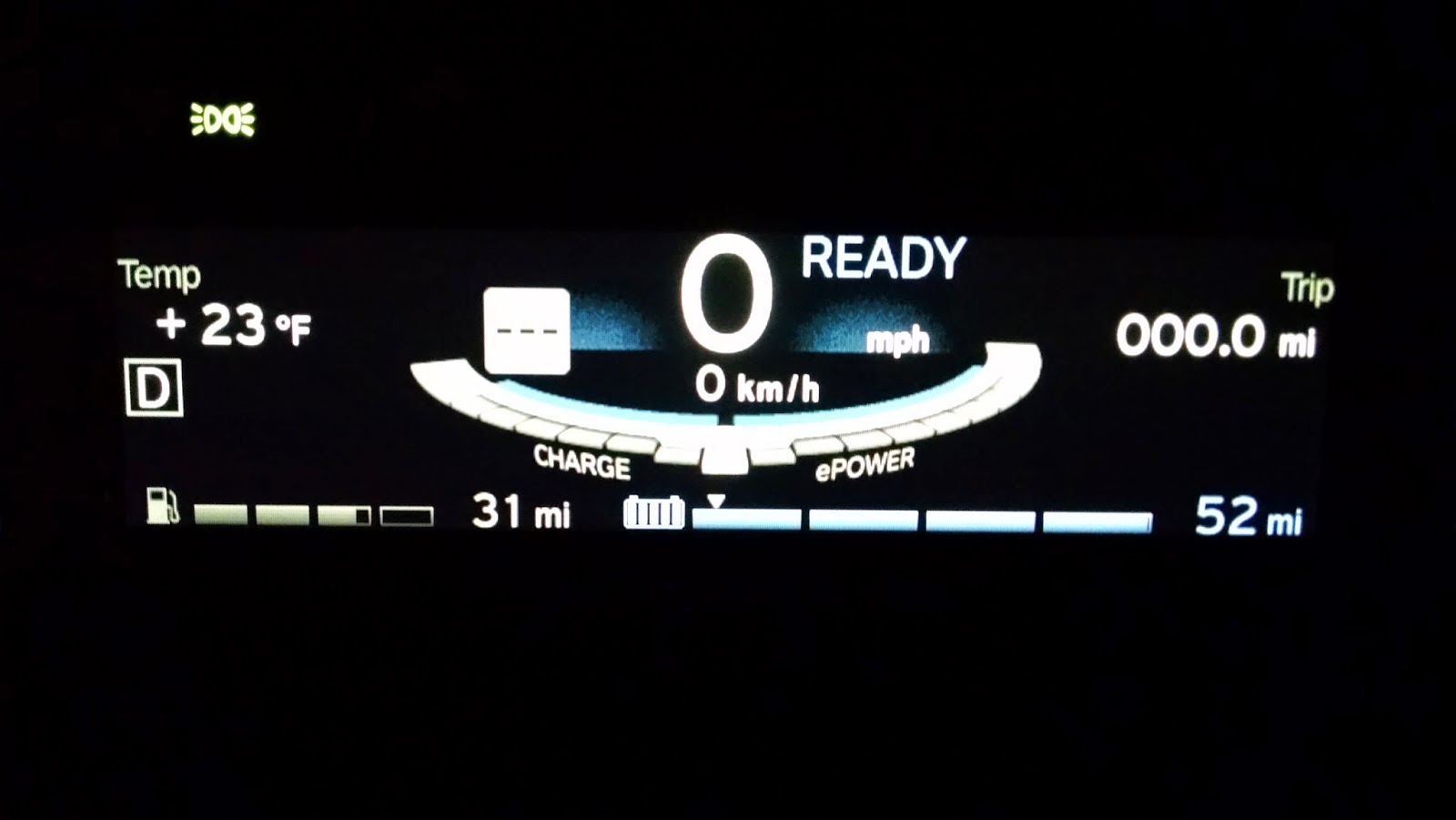
(dash)

http://cdn.bmwblog.com/wp-content/uploads/2015/10/bmw-active-e-snow.jpg
(active-e)

http://cdn.bmwblog.com/wp-content/uploads/2015/10/Cold-Weather-bmw-i3.jpg
With temperatures in the low 20’s, my i3’s predicted range is usually in the
50’s for a fully charged battery.

http://cdn.bmwblog.com/wp-content/uploads/2015/10/BMW-i3-rex-dealer-training-chart.jpg
Charts like these would be helpful to new i3 owners. They should be included
with new purchase documents and fully explained by the client advisers.

http://cdn.bmwblog.com/wp-content/uploads/2015/10/FleetCarma-Electric-vs-Gas-Fuel-Efficiency-below-freezing3.png
FleetCarma-Electric-vs-Gas-Fuel-Efficiency-below-freezing
]

It’s the time of year when the leaves start turning color, when Sundays mean
most televisions in the US are tuned to football games and …

It’s the time of year when the leaves start turning color, when Sundays mean
most televisions in the US are tuned to football games and the Holidays are
just around the corner. However something even more grim than the best
Halloween costume is also making its return: Reduced range for EV owners.

I think back six years ago to my first year in the MINI-E program. It was
2009 and there weren’t many electric vehicles on the roads, especially
outside of Southern California. About five months into the MINI-E Trial
Lease program there was suddenly a rush of owners bringing the cars to their
MINI dealer for service, telling them something was wrong with their cars.
This occurred in late October…

Suddenly, the cars couldn’t go as far as we were used to, and the range drop
off seemed to happen very quickly, without notice and without reason,
leaving many people to assume their car was malfunctioning, and perhaps had
a bad battery. Some of the people even swore the range drop coincided with
their last service visit, so there had to be something done at the
dealership that caused the loss of range. I had read quite a bit about
electric cars before getting mine, and knew there would be some range
degradation in the cold winter months of Northern New Jersey, but I really
didn’t know how much the range would drop. Evidently many of the other
participants were completely in the dark about what to expect once the
winter months arrived. Some were so put off by the range degradation, they
insisted that BMW take the car back and allow them to leave the program. I
remember one particular person tell me that drop in range meant they could
no longer make the round trip to work every day, so the car was of no use to
him for three months of the year.

When the MINI-E program ended in 2012 I joined the BMW ActiveE lease
program. By then some of the participants were aware of the effects the cold
weather has on EV batteries since mainstream EVs like the Nissan LEAF and
Chevy Volt had both been available for over a year. However there were still
quite a few ActiveE drivers who were caught off guard by the loss of range
once winter rolled around, and this became a major topic of discussion among
the ActiveE discussion forums. Just as with the MINI-E drivers, many
believed their car was experiencing some kind of battery problem, and
couldn’t believe the range would be affected so much by the cold weather.

My ActiveE wasn’t immune to the cold weather either. Many owners weren’t
happy when the first winter rolled around.

This issue affects all electric cars, even those with sophisticated thermal
management systems. Tesla for instance, like the i3 has a state of the art
thermal management system, and the Model S is just as susceptible to cold
weather range degradation as any other EV. The good news for Model S owners
is that the range is so great, you usually don’t miss the miles you lose in
the cold. However there are times you do. Last fall I had a Model S pull
into the parking lot of my restaurant, the owners plugged in, came in and
sat down to eat. As I usually do when an EV owner comes in, I went over to
their table, welcomed them and asked about their car. They told me they were
new owners, and traveling from  Upstate New York State to South Jersey. They
had planned to stop at the Edison Superchargers but realized they wouldn’t
make it without stopping to charge. They said they were getting 250 miles
per charge in the summer, but on this trip, which was all highway and
temperatures were in the 30s they were only getting 185 – 200 miles on a
charge. The cold effects us all…

Not Much Progress With Education

So here we are in 2015 and not much has changed. The US i3 launch was a year
and a half ago and for many owners they are about to witness for the first
time how the cold will reduce their range. I am the admin in the i3
discussion forum over at mybmwi3.com and the reduction of range in the cold
is a frequently discussed topic. Just as with the MINI-E and ActiveE
programs, there are people who are convinced that there is something wrong
with their car. There’s always the possibility there could be a problem with
a particular vehicle, so I would recommend anyone concerned to take their
car in for service to have it checked out. However I’m sure most everybody
is going to get a clean bill of health, and at that point they are going to
have to come to grips that the reduced range is due to the temperature, and
learn how to live with it.

I will say I believe BMW (and most other OEMs) aren’t doing an adequate job
of offering educational information for new owners. It wouldn’t have been
too difficult or expensive to prepare an information card which would help
new owners understand how temperatures can affect their range. I’ve had many
i3 owners reach out to for information about this, many concerned they have
a problem with the car. I think BMW should make a “Battery 101” information
card and hand it out to all new owners at the time of delivery with their
other vehicle documents. This could cover temperature issues as well as tips
to help extend the life of their battery, offer advice for long term vehicle
storage and offer a brief explanation on how the battery system works. I
believe owners would appreciate this kind of information. It feels a little
like Groundhogs Day with the same questions about range coming up every
winter. There has to be a better way to prepare the customers before it
becomes a problem. BMW has the educational information available, and they
have posted it (see charts below) on the BMW i Circuit Forum.  However, I
believe this information should be included with the car, and explained to
the customer along with all other pre-delivery documents.

That said, there are techniques which can help offset the effects the cold
weather has on the battery and improve your range. Here are some of my
recommendations to help get you through the cold winter months:

Precondition: Use the precondition function as much as possible. The i3 will
preheat the battery and passenger cabin off grid power, so you don’t drain
the battery performing these functions. By doing so, you will use less of
the stored energy in the battery, which will allow that energy to be used
for its main purpose, to propel the vehicle. You can set the preconditioning
to begin every day at a set time so your car is ready for you when you leave
in the morning. Make sure the car is plugged in to a Level 2 (240v) charging
source while you precondition because a Level 1 (120v) EVSE cannot provide
enough power  for preconditioning. If you use the 120v Occasional Use Cable
that came with the car, you won’t be 100% charged when you leave, as the
preconditioning function uses more energy than the OUC can supply. To
precondition properly, you need a 240V Level 2 EVSE.

*Read my detailed post on preconditioning the i3 [
http://www.bmwblog.com/2015/03/16/bmw-i3-how-preconditioning-works/
]: Understanding How Preconditioning Works

Cabin heat: Limit the use of the cabin heater as much as possible. The BEV
i3s are equipped with an advanced heat pump which is much more efficient
than the resistance heater used for the REx i3s. However it still can use a
fair amount of energy and will indeed cut into the range. If your i3 is
equipped with heated seats I highly recommend using them as much as
possible. By doing so you can use the cabin heater less which saves energy
since the heated seats use much less energy than cabin heater; heat pump or
not. If you simply dress a little warmer and use the heated seats you can
really cut down on the use of the cabin heat, and this will definitely have
a positive effect on your range. If you are wondering why i3s with the range
extender do not have a heat pump, there are two main reasons. First and most
importantly, the actual heat pump on the BEV i3 is located where the
gasoline tank is on the i3 REx, so there isn’t room for it. Secondly,
squeezing every mile possible out of the battery isn’t quite as important
with the REx i3, since you can still continue driving once you exhaust your
battery. With the BEV i3, those extra 3 or 4 miles the heat pump may add
might make the difference in you getting home or not on a cold night.

Properly inflated tires: Tire pressure falls as weather turns colder. Some
tire experts say that for every 10 degrees of temperature drop your tires
can lose 1-2 lbs of pressure. Under-inflated tires create more road friction
which will reduce efficiency. Some EV drivers I know actually add four to
five pounds of pressure to all of their tires before the winter months
begin. Always make sure to check the recommended and maximum pressure for
your tires, as proper tire pressure is different for every tire and car.

Park inside: Whenever possible park the car in garages, especially if they
are heated. If you park outside for an extended period like while you work,
you should find a spot that will be in direct sunlight for as much as
possible. By parking in direct sunlight you’ll have a warmer cabin and
battery when you return to your car later.

Slow down: Besides preconditioning and conservative use of the cabin heater,
driving a little slower is perhaps the best way to extend your range. This
is true regardless of the ambient temperature, but during the winter months
driving a little slower can help offset the range you lose to the cold. If
you do knock off a few miles per hour on the highway, make sure to move over
into the right lane so you don’t hold up traffic. Also, try to accelerate
slowly form a standstill. Jack-rabbit launches are definitely fun with the
i3 but they do consume a lot of energy.

Charging times increase: While you’re charging, the thermal management
system will also be working to warm the batteries. This takes some of the
energy that would have gone directly into the battery and uses it for the
thermal management system. On really cold days I’ve noticed it takes my car
30 to 45 minutes longer to fully charge. Knowing this you may have to adjust
the delayed charging setting on the car and allow for more time before you
can unplug.

Use Eco Pro Modes: The i3 has two Eco driving modes to complement the
default “Comfort” driving mode; Eco Pro and Eco Pro+. Both modes reduce
power supplied to the motor and energy consuming features like the cabin
heater. Most features work fine in Eco Pro mode, but Eco Pro+ restricts the
power so much to them that some no longer even function. Another benefit to
using Eco Pro and Eco Pro+ in the winter is by reducing the power to the
motor the car accelerates slower and helps to reduce the possibility of
wheel spin. I definitely recommend using Eco Pro mode whenever driving on
ice or snow covered roads, it definitely improves traction.

The i3 is more than capable in cold weather. However owners need to
understand, and plan for the affects that the cold has on battery
performance.

 ... an interesting chart prepared by FleetCarma. It compares the effects of
the cold on the fuel efficiency of an electric car and a gasoline car. It
isn’t i3-specific and not exactly what I’m discussing here today, but it
helps to see how both gas cars as well as electric vehicles are effected by
the cold. It’s interesting to see that the cold affects the EV more, but the
actually energy cost of the reduced efficiency is less on the EV. So while
it may be a greater inconvenience for the electric car driver, the cold
weather inefficiencies actually costs the gasoline car driver more money.
[© bmwblog.com]
...
http://bmwi3.blogspot.com/2015/10/i3-owners-be-prepared-for-reduced-range.html
i3 Owners: Be Prepared For Reduced Range
October 6, 2015


For EVLN EV-newswire posts use:
http://evdl.org/evln/


{brucedp.150m.com}

--
View this message in context:
http://electric-vehicle-discussion-list.413529.n4.nabble.com/EVLN-Plugin-Owners-Be-Prepared-For-Cold-Winter-s-Reduced-EV-Range-tp4677960.html
Sent from the Electric Vehicle Discussion List mailing list archive at
Nabble.com.
_______________________________________________
UNSUBSCRIBE: http://www.evdl.org/help/index.html#usub
http://lists.evdl.org/listinfo.cgi/ev-evdl.org
Read EVAngel's EV News at http://evdl.org/evln/
Please discuss EV drag racing at NEDRA (http://groups.yahoo.com/group/NEDRA)