https://www.eta.co.uk/2015/07/02/how-tricycles-could-save-the-world/
How tricycles could save the world
2nd July 2015
[images
https://www.eta.co.uk/wp-content/uploads/2015/07/morgan1.jpg
pedal tricycles  World’s coolest pedal-powered trike

https://www.eta.co.uk/wp-content/uploads/2015/07/morgan2.jpg
trike

https://www.eta.co.uk/wp-content/uploads/2015/07/morgan3.jpg
trikes can save the world

https://www.eta.co.uk/wp-content/uploads/2015/01/Zeppelin.jpg
bicycles are the new car

https://www.eta.co.uk/wp-content/uploads/2015/01/Zeppelin-cabin.jpg
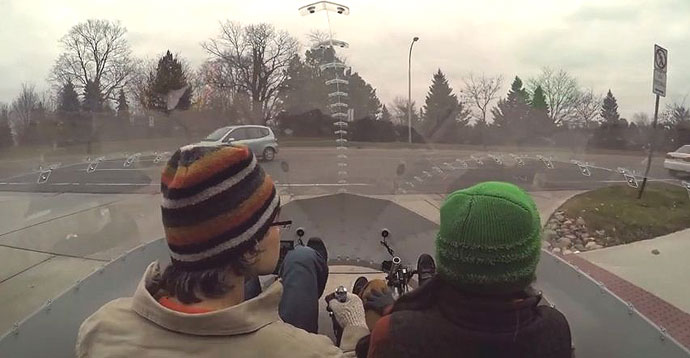
Zeppelin HPV  Light and airy – the view from the Zeppelin cabin


video
https://youtu.be/tX143tyNq-0
]

Most of us rode tricycles when we were kids, but these humble vehicles could
dramatically improve the way we travel today as adults.

If we valued clean air, safe streets, health and vitality above effortless
personal mobility – or if petrol became unaffordable – most would turn to
bicycles and human-powered vehicles. Human-powered vehicles (HPVs) make the
most of lightweight materials, a recumbent seating position and sleek
bodywork to achieve speeds of up to 80 mph, but their focussed design and
distinctive appearance means only the earliest of early adopters rides them.

The fastest and lightest HPVs might look like futuristic pods, but a new
breed of pedal-powered trike has an altogether more stylish and accessible
appearance.

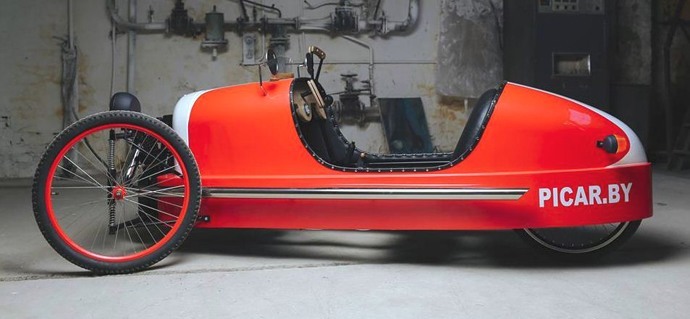
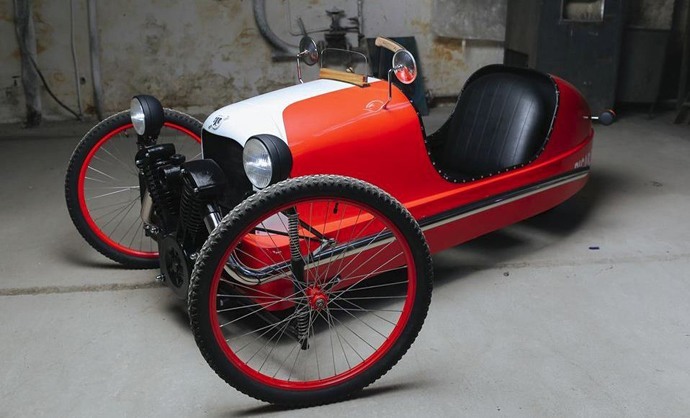
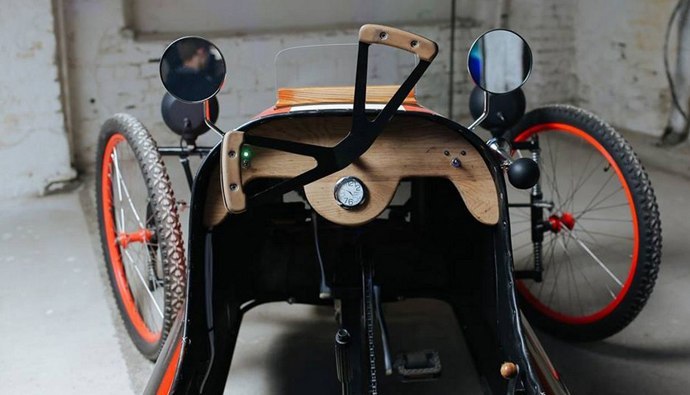
Picar has re-imagined the famous motorised trike built by Morgan for the
last century as an electrically assisted trike. The charming trike makes the
ideal commuter. Fitted with 27-inch mountain bike wheels and boosted by a 1
kW electric motor, the retro-inspired three-wheeler can achieve speeds of up
to 40 km/h when needed.

Zeppelin trike
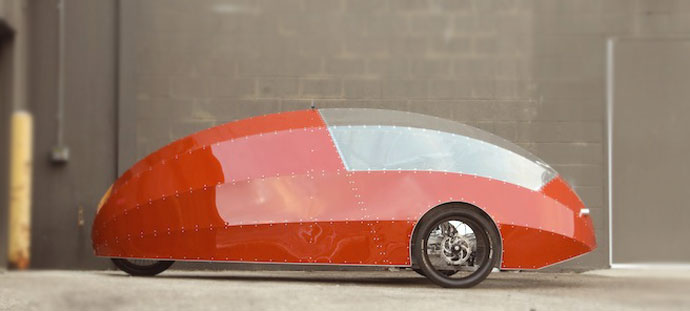
The Zeppelin by The Future People is a human electric hybrid vehicle. It is
powered by two riders aided by a 750 w electric rear motor and cruises at 25
mph on flat ground. Built from aluminium and polycarbonate it weighs just
122 kg and has a 30 km electric range. In America, the Zeppelin meets the
legal definition of a bicycle in many states, making it street legal with no
license, registration, or insurance required.

The Future Cycles project was born from a realisation that current transport
infrastructure would outlive the petrol-powered vehicles that currently use
it; begging the question: “What transportation alternatives could replace
these vehicles that would deal with shifting energy availability and still
provide the kind of independent travel that our infrastructure requires?”

Any alternative would need to be much lighter in weight, highly efficient,
use only local sustainable energy, and be inexpensive to own and maintain.
The Zeppelin trike combines weather protection and carrying capacity of a
car with the efficiency of a bike. The goal was to create a car-like
experience in a vehicle that is human powered and legally defined as a
bicycle.

Through the design, fabrication, and demonstration of these vehicles, The
Future People hope to challenge us to consider the use of human energy and
the resource of time as alternative options to fossil fuels.

For more about the Zeppelin trike visit www.thefuturepeople.us

What is a safe car?
Most people would not consider using a vehicle like the Zeppelin on the
roads because of fears over safety, but what exactly constitutes a ‘safe’
car? There is a perception that large, heavy cars such as 4X4s are safe, but
any added protection they offer their occupants is very much at the expense
of any other road user with which they collide. Human-powered vehicles are
designed to operate in urban areas at low speeds. This makes them less of a
risk to pedestrians and less damaging to the road surface. Furthermore, they
are economical and near-silent. If the 20mph limits in urban areas were
respected, HPV tricycles such as the Zeppelin would come into their own.

If we can recognise human-powered vehicles as a sustainable and safe
alternative to cars for local trips, then tricycles like the pedal-powered
Morgan lookalike and Zeppelin can help transform our towns and cities for
the better.

Cycle insurance
On the face of it, one cycle insurance policy is much like another, but the
devil is the detail. How much excess you will be charged is just one of the
things that varies wildly between providers. Another is so called
‘new-for-old’ replacement – many insurers use this term, but if your bicycle
is more than a few years old, devalue it severely. This means you are left
out of pocket when you come to replace it.

ETA cycle insurance has a low standard excess of 5% (minimum £25) and offers
a new-for-old for life – how ever old the bike, if it’s stolen you get
enough to buy a new model.

ETA 25 yearsFor 25 years we have been providing straightforward, affordable
bicycle insurance. Whether you use your bike to commute, shop, race or amble
in the park, ETA Cycle Insurance has you covered. We never devalues bikes no
matter their age, allow you to buy your replacement bike wherever you like,
replace stolen quick release components and we handle claims in-house. Can
your insurance provider say the same?

Furthermore, every cycle insurance policy you buy helps support the work of
the ETA Trust, our charity campaigning for a cleaner, safer transport
future.
[© ETA Services]


For EVLN posts use:
http://evdl.org/evln/


{brucedp.150m.com}


--
View this message in context:
http://electric-vehicle-discussion-list.413529.n4.nabble.com/EVLN-etrikes-are-the-new-car-can-save-the-world-tp4676685.html
Sent from the Electric Vehicle Discussion List mailing list archive at
Nabble.com.
_______________________________________________
UNSUBSCRIBE: http://www.evdl.org/help/index.html#usub
http://lists.evdl.org/listinfo.cgi/ev-evdl.org
For EV drag racing discussion, please use NEDRA
(http://groups.yahoo.com/group/NEDRA)